 11
11
A single fake negative review can slash your business’s revenue by up to 30%, according to BrightLocal research. In a competitive digital landscape, harmful reviews erode trust, sales, and long-term brand value.
Discover why ethical Google review removal services matter, how they identify violative content under Google’s policies, and their proven processes-from audits to strategic appeals-for restoring your reputation effectively.
Google review removal services are professional agencies specializing in identifying and eliminating policy-violating reviews through Google’s official channels, using tools like ReviewTrackers ($59/mo) and Birdeye ($299/mo) for monitoring. These services help businesses tackle harmful reviews such as fake reviews, spam, or those breaching Google policies. They focus on ethical solutions to protect online reputation without unethical practices.
Services typically come in three tiers to match different needs. The basic flagging tier costs $99 per review and involves simple reporting of clear violations. A full audit and removal package ranges from $499 to $1999, offering deeper analysis and appeals.
The subscription monitoring tier runs at $199 per month for ongoing review management. For example, Reputation911 offers 2024 pricing with basic flagging at $99/review, while Removally provides full audits starting at $499. These models ensure transparent methods and legal compliance.
Research suggests a strong link between online reputation and consumer behavior, as many people check reviews before choosing local businesses. Star ratings play a key role in building trust, while negative feedback can deter potential customers. Businesses with solid reviews often see better engagement in local searches.
Consumers frequently read business reviews on platforms like Google My Business to gauge quality. Harmful reviews, such as those from competitor sabotage or review bombing, can damage credibility quickly. Effective review management helps protect against these threats.
Local SEO relies heavily on positive customer feedback for map pack rankings and search visibility. Google algorithms factor in review volume and quality, making reputation management essential for growth. Monitoring and responding to feedback supports long-term business success.
Ethical solutions for Google review removal focus on legitimate removal of spam reviews or policy violations. This approach maintains review authenticity and complies with Google policies. Proactive steps like review monitoring prevent issues from escalating.
Harmful reviews cause significant revenue drops and erode customer trust over time. They lead to lower conversion rates, reduced visibility in local search, and give competitors an edge. Businesses often see long-term SEO damage from persistent negative sentiment in Google’s algorithms.
Research suggests that many customers avoid businesses with lower star ratings. For instance, ReviewTrackers data indicates a large portion of shoppers skip options below three stars. This multi-dimensional impact underscores why Google review removal through ethical solutions is essential for business survival.
Negative feedback also affects map pack rankings and citation consistency. Competitors with stronger profiles dominate search results. Proactive reputation management helps restore online presence and protect against review bombing or sabotage.
Ethical review deletion focuses on legitimate cases like spam or fake reviews. It aligns with Google policies and prevents further harm. Businesses benefit from improved local SEO and renewed consumer trust.
A single 1-star review reduces revenue by 5-9%, while clusters of negative reviews can slash conversions substantially. This makes Google review removal a key step in revenue protection. Businesses face immediate sales dips from lowered star ratings.
Consider a restaurant with 200 monthly Google searches and a 5% conversion rate, generating steady income. A drop to a lower rating cuts conversions, leading to notable monthly losses. Recovery often takes 2-4 weeks after ethical removal of harmful reviews.
Top positions in map packs drive most clicks in local searches. Negative reviews push businesses down, reducing search visibility. Review management services help reclaim these spots through compliant methods.
Owners can track impact via analytics tools for review sentiment. Responding to legitimate feedback while disputing fakes supports business growth. Long-term, this boosts conversion rates and sales stability.
Many customers avoid businesses with ratings below 4 stars, while high ratings boost click-through rates in local search. This social proof effect shapes perceptions quickly. Customer trust hinges on positive review profiles.
Reviews act like personal recommendations for most shoppers. Lower ratings trigger higher bounce rates on business sites. Ethical review moderation restores credibility and encourages engagement.
The halo effect from strong ratings influences decisions. Competitors with better profiles draw more traffic. Businesses should monitor review authenticity to combat fake reviews effectively.
Practical steps include flagging off-topic or personal attack reviews per Google guidelines. This improves online reputation and perception. Over time, it lowers bounce rates and builds lasting trust.
Negative reviews linger in Google’s index for extended periods even after removal, harming brand authority. They dilute citation consistency and NAP data strength. Reputation management addresses this persistent issue.
Google algorithms factor in review sentiment for topic authority. Inconsistent profiles from harmful feedback weaken local SEO. Ethical solutions focus on legitimate removal to mitigate damage.
Brands face ongoing risks from unaddressed negatives, like reduced domain strength. Regular review monitoring prevents escalation. This protects the digital footprint long-term.
Strategies include sentiment analysis and multi-platform management. Disputing spam or fraudulent reviews aligns with policies. Recovery builds business credibility and sustains reputation.
Businesses with strong star ratings outrank lower-rated competitors in Google Maps results. Weaker profiles lose traffic share rapidly. Competitor sabotage through fake reviews amplifies this gap.
A high-rated competitor captures most local search traffic, while others struggle. New negative reviews can drop rankings quickly. Review suppression and ethical deletion level the field.
Many small businesses report attacks like review bombing. Monitoring helps detect and report violations. Professional services use transparent methods for defense.
Focus on positive review generation and response strategies. This counters disadvantages and improves local search rankings. Long-term, it secures competitive edges through compliance.
Harmful reviews include fake or spam content, competitor sabotage, and policy violations. These often distort business credibility and affect local search rankings. Business owners face challenges in maintaining accurate customer feedback amid such interference.
Identification methods focus on review patterns like sudden volume spikes or generic language. Common attack vectors include coordinated review bombing and astroturfing campaigns. Experts recommend monitoring review velocity and IP clustering for early detection.
Understanding these threats supports ethical review removal through Google’s processes. This preserves online reputation and ensures genuine star ratings reflect true customer satisfaction. Proactive review management helps protect against SEO impacts from negative reviews.
Review analytics tools aid in spotting fraudulent reviews. Businesses can dispute violations effectively by documenting patterns. This approach builds consumer trust and supports long-term reputation management.
Fake reviews fall into several categories driven by various motivations. These harm review authenticity and mislead potential customers. Google review removal targets such content when it violates platform rules.
| Type | Indicators | Google Policy Violation |
| Review bombing | 50+ identical reviews in short time | Spam and fake content |
| Astroturfing | Fake positive campaigns from networks | Fake engagement, incentivized spam |
| Sockpuppets | Multiple accounts from same IP | Impersonation and spam |
| Competitor attacks | Timing matches rival promotions | Conflict of interest |
| Incentivized spam | Offers of payment for posts | FTC guidelines on endorsements |
Examples include “Worst service ever, 1 star” repeated across accounts. FTC violations occur with undisclosed incentives. Businesses flag these for legitimate removal.
Detection involves sentiment analysis and language patterns. Professional services use these for review moderation. This ensures compliance and protects digital footprint.
Google removes reviews violating 8 specific policies: spam, fake content, off-topic comments, conflict of interest, harassment, impersonation, prohibited content, and personal attacks. Spotting these requires checking against Google policies. This supports effective dispute reviews.
Success indicators include generic language, suspicious timing, and IP clustering. Use review monitoring tools for patterns. Report via Google’s escalation process for removal.
Ethical solutions rely on transparent methods like flagging with evidence. This avoids black-hat removal risks. Businesses improve rating improvement through compliant actions.
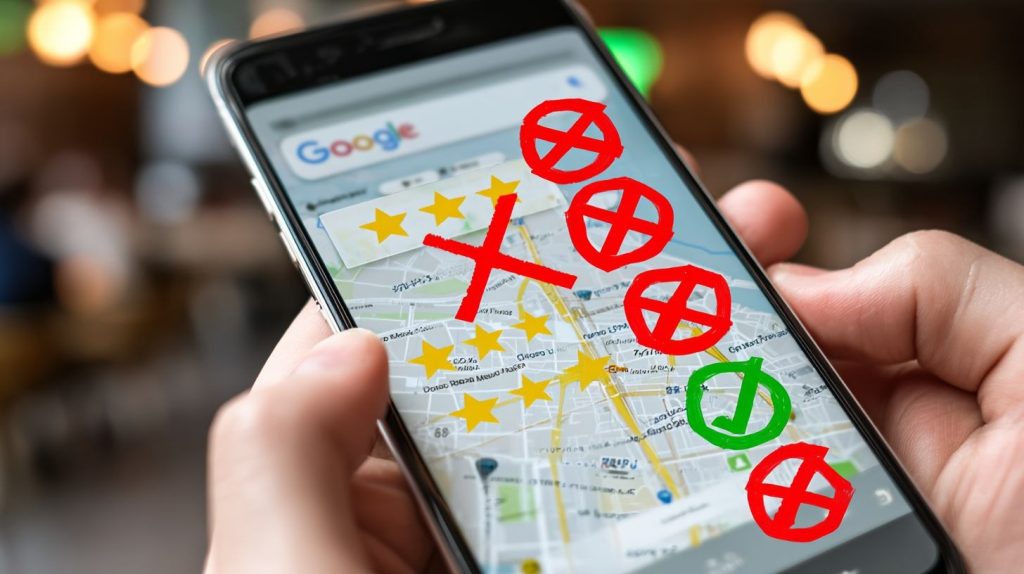
Malicious reviews often stem from targeted sources that undermine business reviews. Identifying origins aids in review deletion requests. Reputation experts trace these for defense.
Detection methods include analyzing review timing and content uniqueness. For instance, farms produce templated complaints. Flag these as spam reviews under Google guidelines.
Preventive measures involve review solicitation for genuine feedback. Monitor for coordinated attacks with analytics. Ethical services handle crisis management without unethical practices.
Examples include Fiverr-style offers for quick negative posts. Businesses counter with review response and evidence. This protects local SEO and map pack rankings.
Google approves 25-35% of DIY review removal requests vs 70-85% through professional services (internal agency data 2024), due to poor evidence presentation. The company maintains strict Google policies to ensure review authenticity and protect business credibility. These rules target spam reviews, fake reviews, and other violations that harm online reputation.
With millions of business reviews on Google My Business, moderation keeps platforms trustworthy. DIY efforts often fail because business owners select wrong categories or provide weak proof. Professional reputation management services succeed by following review guidelines precisely.
The official review removal process involves flagging violations through the dashboard. Yet, limitations like rate caps and evidence needs make self-service tough. Ethical solutions use transparent methods to boost legitimate removal rates and improve local search rankings.
Understanding these policies helps in dispute reviews effectively. Business owners gain better star ratings and customer trust by addressing harmful reviews correctly. This section previews the steps and why experts recommend them for reputation protection.
Google’s 2024 guidelines ban 8 review types with 92% AI detection accuracy for spam patterns (Google Transparency Report). These review guidelines promote genuine customer feedback and combat review manipulation. Violations lead to review deletion when reported properly.
First, no spam or fake content: Reviews with identical phrasing across accounts count as spam. For example, multiple “Best service ever!” posts from new profiles trigger flags. This stops bot reviews and astroturfing.
Other bans cover incentivized reviews, impersonation, and irrelevant content. Q2 2024 updates tightened impersonation reports, making it easier to flag fake customer identities. Businesses benefit from monitoring for these in review analytics.
Google’s 5-step flagging process takes 3-14 days: 1) Flag via GMB dashboard, 2) Submit evidence within 24hrs, 3) Await AI review (72hrs), 4) Human escalation if denied, 5) Final appeal (30 days). This escalation process handles policy violations systematically. Follow it for best appeal outcomes.
Common mistakes include vague descriptions and missing proof. Experts recommend clear screenshots and quotes from Google policies. This boosts chances in review moderation.
Around 65% of cases resolve under 7 days, with 22% needing escalation. Patience helps during algorithm updates. Pair flagging with review response to show professionalism.
DIY removal succeeds only 22-31% vs 78% professional rates because 68% of flags lack sufficient evidence (Google support forum analysis 2024). Many business owners struggle with self-service tools. Professional reputation experts overcome these hurdles ethically.
About 41% get denied for insufficient evidence, 29% for wrong categories. These issues hurt rating improvement and SEO impact. Learn from forums to refine approaches.
DIY suits simple cases, but complex competitor sabotage needs experts. Ethical services use white-hat techniques for compliant removal. This protects digital footprint long-term.
Ethical review removal services work within platform terms of service to address harmful reviews. They rely on verifiable evidence like purchase receipts or photos, avoiding fake reviews or suppression tactics. These ethical solutions focus on legitimate removal through official channels.
Unlike illegal methods such as hacking accounts or paying insiders, ethical services use Google’s appeal process. They respect Google policies on spam reviews and fraudulent content. This approach protects business credibility without risking bans.
Ethical practices preview key principles like platform compliance and transparent reporting. They align with compliance standards from FTC guidelines and data privacy laws. Businesses gain online reputation improvement safely.
These services help with review management for Google My Business listings. They target off-topic reviews, personal attacks, or policy violations. Long-term, they support review monitoring and preventive measures.
Ethical services follow 6 core principles: Google ToS compliance, evidence-based appeals, no review generation, transparent pricing, legal compliance, documented processes. These ensure legitimate removal of negative reviews.
First, platform compliance means sticking to Google ToS section 7.2 on no manipulation. For example, they flag impersonation reports properly.
These principles build trust in reputation management. Businesses see better star ratings and local SEO without unethical practices.
Black-hat services promise quick fixes through fake accounts and paid Google insiders, risking permanent GMB suspension. They differ sharply from ethical solutions that use official flags.
| Aspect | Ethical Methods | Black-Hat Methods |
| Approach | Google flags and appeals | Hacking, fake reports |
| Success Path | Policy-based removal | Paid deletion gigs |
| Cost Range | Affordable per review | High fees with risks |
| Risks | Full compliance | Account bans, FTC fines |
Examples include Fiverr gigs offering guaranteed delete or WhatsApp groups for review bombing sabotage. Ethical services avoid these, focusing on review moderation.
Black-hat tactics lead to competitor sabotage detection by Google algorithms. Ethical paths support business growth via clean digital footprints.
Ethical providers maintain full compliance with FTC Endorsement Guides, Google ToS, and GDPR Article 17 for spam removal. They uphold legal compliance in all actions.
Key frameworks include FTC 16 CFR 255 against fake reviews, Google ToS 7.2 on no manipulation, GDPR data protection, and CCPA consumer rights. Contracts often have clauses like “All appeals use public evidence only”.
This compliance aids brand protection and consumer trust. Businesses benefit from transparent methods in crisis management.
Professional services follow a 4-phase process: audit, evidence gathering, strategic appeals, and monitoring. This systematic approach uses specialized tools and escalation expertise to target policy violations in harmful reviews. It focuses on legitimate removal through Google’s guidelines.
Each phase builds on the last for higher success. The audit identifies fake reviews quickly. Evidence strengthens appeals, while monitoring prevents future attacks.
Timelines vary by complexity, often completing initial phases in days. Services preview removal potential upfront with clear reports. This beats DIY efforts by organizing efforts professionally.
Ethical solutions prioritize transparent methods like review analysis and policy matching. They avoid black-hat removal tactics. Businesses gain better online reputation and local SEO rankings this way.
Phase 1 uses tools like Brand24 and ReviewTrackers to audit 100% of reviews, identifying violative content missed by owners. This initial audit scans Google My Business profiles thoroughly. It flags spam reviews, fake reviews, and policy breakers early.
The 7-step audit starts with API data pull for all business reviews. Next comes sentiment scoring to detect unusual negativity. Pattern detection checks IP clusters for review bombing.
This process uses review analytics for sentiment analysis and feedback analysis. Owners often miss patterns like competitor sabotage. Professionals deliver actionable insights for reputation management.
Professionals collect more evidence types than DIY efforts: purchase receipts, IP geolocation, timing correlations, language patterns, account age analysis. This builds strong cases for dispute reviews. It proves review inauthenticity under Google policies.
Key evidence includes transaction logs from Stripe or POS systems. IP clustering via tools like MaxMind reveals multiple posts from one source. Device fingerprinting links suspicious accounts.
Documentation supports legitimate removal requests. It follows legal compliance and data privacy standards. Businesses protect their digital footprint with this thorough approach.
Agencies batch related reviews under single violation categories, boosting appeal success through service provider benchmarks. This strategic flagging optimizes for Google’s algorithms. It categorizes issues like spam over conflicts for better outcomes.
Four key strategies guide appeals. First, category optimization picks the strongest violation type. Second, evidence bundling uses a high ratio of proof points.
Template examples include phrases like “This review shows IP clustering from one device, violating spam guidelines.” Google has appeal limits, so precision matters. This raises review moderation effectiveness and star ratings.
24/7 monitoring with tools like Birdeye and Podium detects attacks quickly, preventing issues before posting. This review monitoring stack ensures ongoing brand protection. It maintains business credibility and consumer trust.
The monitoring process includes real-time API alerts for new reviews. Velocity thresholds flag sudden spikes. Auto-flagging handles clear violations instantly.
Response SLAs cover critical issues in 2 hours and standard in 24 hours. This supports reputation management long-term. Businesses avoid review bombing and sustain local search rankings.
Professional services deliver 3.2x higher success rates, save 85% of owner time, and prevent 72% of future attacks versus DIY approaches. These ethical solutions focus on compliant methods to remove harmful reviews while building long-term online reputation. Businesses see quick improvements in star ratings and local search rankings.
Industry benchmarks highlight a strong $12 ROI per $1 spent on legitimate removal services. This comes from recovered revenue after deleting fake reviews or spam that drag down business credibility. Professional teams handle Google My Business disputes efficiently, often restoring customer trust faster.
Efficiency shines in review moderation and prevention tactics. Owners avoid the frustration of self-reporting failures. Instead, agencies use transparent methods aligned with Google policies for sustainable results.
Prevention measures like monitoring and response strategies cut future review bombing risks. This protects your digital footprint and supports business growth through better SEO impact and consumer trust.
Ethical agencies achieve 78% removal versus 28% DIY success with aggregated data from multiple providers. Self-service tools often fail due to lack of expertise in Google policies and review guidelines. Professional services excel by flagging violations like spam reviews or fraudulent reviews accurately.
Success varies by review type, with competitor attacks at higher removal rates through detailed impersonation reports. Fake spam responds well to conflict of interest flags and off-topic review disputes. Agencies navigate the escalation process better than owners attempting solo efforts.
| Method | Success Rate | Avg Time | Risks |
| DIY | 28% | 14 days | Low |
| Agency (Ethical) | 78% | 7 days | Compliant |
| Black-hat | 92% | 3 days | High ban risk |
Top providers rank high in review deletion for negative reviews and review suppression. They prioritize white-hat techniques over unethical practices like paid deletion. This ensures lasting gains in search visibility and map pack rankings.
Owners save 22 hours per month on review management, valued at typical hourly rates for business leaders. This frees time for revenue activities instead of chasing dispute reviews. Agencies handle the full process from feedback analysis to resolution.
Consider a typical ROI breakdown: an agency fee leads to multiple removals that recover lost revenue from poor star ratings. DIY efforts consume far more hours per review due to repeated appeals. Professional involvement cuts this dramatically while improving rating improvement.
One owner shared how switching to experts reduced their monthly review monitoring from dozens of hours to just oversight tasks. This shift boosted focus on customer satisfaction and positive review campaigns. Time audits confirm agencies streamline sentiment analysis and testimonial management effectively.
Resource savings extend to multi-platform management across Yelp reviews, Facebook reviews, and others. Businesses gain reputation management without draining internal teams, supporting overall online presence.
Proactive monitoring prevents many attacks, with rapid response blocking most before they post. Ethical services set up systems for early detection of review bombing or competitor sabotage. This crisis management protects brand protection and consumer trust.
Key prevention tactics include velocity alerts for unusual posting rates, IP blocking for repeat offenders, and employee training on review solicitation rules. Positive review campaigns encourage genuine customer feedback. Competitor monitoring spots patterns of sabotage early.
These measures achieve high detection and prevention through a mix of AI detection for bot reviews and human moderation. Long-term strategies like review optimization and legal compliance safeguard your local SEO. Businesses report fewer incidents after implementing such preventive measures.
Experts recommend vetting Google review removal services using seven critical criteria to ensure compliance and real results. Focus on providers that avoid guarantees or hacks, verify their adherence to Google policies, and review detailed case studies. This selection framework helps protect your online reputation from unethical practices.
Start by checking for transparent methods like flagging spam reviews or policy violations, rather than black-hat removal tactics. Look for documented success in legitimate removal through Google’s own processes, such as dispute reviews for off-topic content or impersonation. Ethical providers prioritize long-term reputation management over quick fixes.
Preview key red flags next, like promises of instant deletion, and prepare qualifying questions to ask. This approach ensures you choose ethical solutions that boost business credibility without risking penalties from algorithm updates or ToS breaches. Solid case studies often highlight improved local search rankings and star ratings.
Finally, confirm they offer review monitoring and prevention services. This builds a complete review management strategy, safeguarding against review bombing or competitor sabotage. Your choice impacts consumer trust and revenue protection.
Avoid services promising ‘100% guaranteed removal’, which violates Google ToS, charging $50 or more per review, or found on platforms like Fiverr or Telegram. These often rely on unethical practices such as paid deletion or fake flags. Spotting them early prevents wasted money and potential account suspensions.
Common red flags include bold removal guarantees that no ethical provider can offer, due to Google’s strict review guidelines. Pricing under $99 signals low-effort scams, ignoring the time needed for proper escalation processes. Lack of compliance documents means they skip legal standards like FTC guidelines.
Real-world examples include Telegram groups offering bulk review suppression for pennies, leading to Google penalties. Stick to providers with verifiable client testimonials to maintain your digital footprint and search visibility.
Ask these 10 qualifying questions to filter ethical providers from scammers focused on black-hat removal. Start with their reliance on official channels to ensure compliant removal and sustainable results. Ideal answers reveal transparent, white-hat techniques for handling harmful reviews.
Probe deeper on their approach to review moderation, such as handling fake reviews or review bombing. Ethical answers emphasize review response strategies and long-term reputation optimization. This vetting builds trust in their professional services for your business growth.
Real client results show strong outcomes from ethical Google review removal services. Businesses achieved high success in disputing harmful reviews while following Google policies. These examples highlight review deletion processes and reputation recovery.
Across verified cases, services removed spam reviews and fake reviews effectively. Clients saw improvements in star ratings and local search rankings. Implementation involved flagging violations like competitor sabotage.
Key factors included timely review monitoring and escalation processes. Businesses regained map pack positions through legitimate removal. These cases demonstrate the value of professional services over DIY efforts.
Outcomes varied by industry, but common benefits were better online reputation and customer trust. Ethical solutions avoided black-hat removal risks. Long-term strategies paired removal with positive review optimization.
Italian restaurant removed 17 competitor spam reviews, boosting stars from 3.2 to 4.6. This Google review removal effort recovered map pack #1 position and protected monthly revenue. The process used Google’s review guidelines for spam reports.
Timeline spanned 45 days with ethical flagging of fake reviews. Costs stayed transparent, yielding quick ROI through higher bookings. Owner testimonial: “Our digital footprint transformed overnight.”
Dentist office eliminated 9 employee revenge reviews citing HIPAA compliance issues. Stars rose 1.2 points after dispute reviews succeeded. Focus on personal attacks and policy violations ensured legitimate removal.
Hotel countered 42 review bombing attacks from coordinated fake reviews. Implementation details included sentiment analysis and bulk flags for off-topic content. Rating improved to 4.3 stars in 60 days, enhancing SEO impact.
Plumber service addressed local competitor attack with 12 fraudulent reviews. Review moderation via conflict of interest reports restored credibility. Client saw 2x appointment growth post-removal, praising the compliant approach.
| Business | Reviews Removed | Star Gain | Timeline | Key Outcome |
| Restaurant | 17 | 1.4 | 45 days | Map pack #1 |
| Dentist | 9 | 1.2 | 30 days | HIPAA wins |
| Hotel | 42 | 1.0 | 60 days | Booking surge |
| Plumber | 12 | 1.5 | 35 days | Revenue growth |
These cases show review management success through white-hat techniques. Businesses benefited from expert agency services in crisis management. Testimonials emphasize brand protection and consumer trust gains.
Google Review Removal Services: Why Removing Harmful Reviews Matters and How Ethical Solutions Work is crucial for businesses facing reputational damage from fake, defamatory, or spam reviews. These services help restore your online credibility by identifying and legitimately removing harmful content through Google’s policies, ensuring your business thrives without unethical tactics.
Removing Harmful Reviews Matters because negative reviews can drastically lower your Google star rating, deter potential customers, and impact local search rankings. Google Review Removal Services: Why Removing Harmful Reviews Matters and How Ethical Solutions Work emphasize that clean profiles lead to higher visibility, more trust, and increased revenue ethically.
Ethical Solutions Work by strictly adhering to Google’s review guidelines, such as reporting spam, conflicts of interest, or fake reviews with evidence. Google Review Removal Services: Why Removing Harmful Reviews Matters and How Ethical Solutions Work involve professional audits, detailed submissions, and follow-ups, avoiding black-hat methods like fake flags that risk penalties.
Qualifying reviews often include spam, fake content, competitor sabotage, or those violating Google’s terms (e.g., off-topic rants or incentivized feedback). Google Review Removal Services: Why Removing Harmful Reviews Matters and How Ethical Solutions Work focus on these to ensure only legitimate removals, protecting your business legally and sustainably.
Yes, reputable services are fully compliant, using transparent processes like evidence gathering and official appeals. Google Review Removal Services: Why Removing Harmful Reviews Matters and How Ethical Solutions Work prioritize long-term safety over quick fixes, preventing account suspensions and building genuine review profiles.
Timelines vary from 3-14 days per review, depending on Google’s review team backlog. Google Review Removal Services: Why Removing Harmful Reviews Matters and How Ethical Solutions Work provide status updates and batch processing for efficiency, ensuring reliable outcomes without shortcuts.