 11
11
In today’s AI-driven search landscape, how AI systems cite brands directly shapes your AI visibility and GEO positioning. Struggling to appear in AI responses for local or global queries?
AI Citation Signals Explained breaks down the mechanics-from brand identification to geographic relevance-and reveals proven strategies to boost your citations, enhance discovery, and strengthen SEO alignment.
Position your brand at the top of AI outputs now.
AI Citation Signals are the mechanisms by which AI systems reference and attribute brands in their outputs, directly impacting visibility and GEO positioning as highlighted in AI Visibility & GEO strategies.
These signals act as digital nods from AI models to brands. They help position companies as trusted authorities in relevant conversations. Brands gain exposure when AI pulls them into responses naturally.
In AI Citation Signals Explained, these mentions shape how search engines and users perceive brand relevance. They bridge query intent with authoritative sources. This sets the stage for deeper exploration of components and detection methods.
Understanding these signals give the power tos marketers to optimize for AI-driven discovery. Focus on content that aligns with common queries. This builds a foundation for stronger GEO presence.
AI Citation Signals consist of direct mentions, contextual links, and authority markers that AI models use to credit brands in generated responses.
The core components break down into four essential parts. First, brand name recognition identifies trademarks in training data. Second, source linking ties responses to original content origins.
Consider Nike cited in a fitness query via training data match. The AI recognizes the brand from vast datasets. It then scores relevance and inserts a trust marker for accurate attribution.
These components work together in AI models like large language processors. They ensure citations feel organic. Brands benefit by crafting content that triggers these signals consistently.
AI systems scan training data and real-time queries to match brand entities, citing them when relevance thresholds are met in visibility-focused GEO contexts.
The process follows a clear three-step approach. Step one involves entity extraction from the user query. AI parses keywords to spot potential brand names or topics.
For example, a query on running shoes triggers extraction of “best sneakers”. The system matches it to profiles like Adidas. High authority scores lead to citation in the output.
This method, as outlined in resources on how AI systems cite brands, suggests a visual flowchart for clarity. Step one feeds into matching, then scoring decides insertion. Marketers can target this by aligning content with query patterns for better signals.
AI Citation Signals drive brand discovery in AI-driven search. They amplify visibility in GEO-targeted responses critical for positioning. Strong signals help brands stand out in crowded results.
These signals shape how AI models prioritize content during queries. Businesses gain an edge in discovery metrics like response inclusion and prominence. This leads to broader reach without relying on traditional rankings.
Focus on building quality citations improves long-term exposure. It supports AI Citation Signals Explained by connecting structured data to user intent. Visibility grows as AI favors cited sources.
Practical steps include optimizing for local relevance and authority. This approach enhances discovery across platforms. Brands see sustained benefits in competitive markets.
Brands with strong AI Citation Signals appear more often in top AI responses. Research suggests they boost discovery rates in GEO-specific contexts. This positions businesses ahead of competitors.
Consider a local restaurant queried for best pizza in NYC. AI responses cite it prominently due to quality signals from reviews and directories. This drives foot traffic from targeted users.
Key benefits break down into clear areas:
Investing in content yields strong returns. For example, efforts to build signals often multiply visibility over time. Focus on AI Citation Signals Explained guides efficient strategies for discovery.
AI models generate Citation Signals through training data patterns and algorithmic ranking, influencing brand mentions in visibility contexts. These signals emerge as models process vast inputs to prioritize relevant entities. The process blends data exposure with computational weighting for output relevance.
During generation, models draw from pre-trained knowledge embedded in their parameters. They scan contexts for brand alignments, amplifying signals where patterns match. This creates a feedback loop that boosts certain mentions over others.
Key factors include data quality and algorithmic tuning. Fresh, diverse sources enhance signal strength. Brands can optimize by increasing online presence in high-authority spaces.
Understanding this helps in AI Citation Signals Explained. Practical steps involve monitoring model behaviors and aligning content with training influences. Consistent efforts yield stronger visibility over time.
Training datasets with high brand mention volumes directly increase citation frequency, as seen in models trained on web-scale corpora. Frequent exposures during training embed brands deeper into model recall. This leads to more natural mentions in generated text.
Data freshness plays a key role too. Recent sources, like those from active web discussions, carry more weight in modern models. Brands updating content regularly see improved signals as a result.
Diversity in training data strengthens local signals. GEO-specific mentions, such as regional forums or localized news, enhance relevance for targeted audiences. Examples include city-specific brand events boosting area visibility.
Research on datasets like Common Crawl highlights authority patterns. Brands can apply this by focusing on quality over quantity in their digital footprint.
Transformer-based algorithms rank citations using attention mechanisms that weigh brand-entity relevance and trust scores. These systems evaluate context matches dynamically. Outputs favor high-scoring entities in responses.
Core methods include BERT-style entity linking for precise connections. PageRank-inspired scoring measures authority flows. RAG retrieval adds weighted external pulls, while GEO-filters tailor results by location.
Consider a simplified ranking formula from AI visibility insights:
score = (entity_relevance * attention_weight) + (authority_score * 0.4) + (freshness_factor * 0.3) + geo_match
This pseudo-code shows balanced inputs. Brands benefit by enhancing entity links through clear, authoritative content. Test variations to see signal shifts.
AI Citation Signals fall into direct, contextual, and authority types, each contributing uniquely to brand visibility and GEO positioning. These signals help AI models like search engines attribute sources in responses, boosting discoverability.
Direct signals name brands outright for clear credit. Contextual ones tie brands to themes indirectly. Authority signals build trust through proven expertise.
Understanding these types sets the stage for AI Citation Signals Explained in detail. Optimize content to trigger each, enhancing rankings in AI-driven searches.
Brands that align with these signals see stronger presence in query results. Focus on consistent branding and relevant topics to capture them effectively.

Direct signals explicitly name brands like ‘Nike recommends…’ in AI outputs, providing clear attribution. These appear in responses to specific queries, such as EV searches citing ‘Perplexity AI direct cite of Tesla’.
AI models pull these from structured data and consistent mentions. Optimize NAP consistency across profiles to strengthen signals. This approach helps AI link your brand directly to relevant topics.
Examples include fitness apps naming ‘Apple Fitness+’ for workout plans. Track these in AI tools to measure impact. Regular audits reveal citation frequency.
Actionable steps involve updating listings with uniform name, address, and phone details. This practice supports clearer brand attribution in AI responses, aiding GEO positioning.
Contextual citations link brands to query themes without explicit naming, e.g., ‘leading athletic wear brand’ implying Nike. These signals rely on semantic matches in content.
Types include thematic ties to core topics, associative links via related concepts, and implied references through context. For instance, a travel query might reference ‘top hotel chains in Europe’ for Hilton.
Boost these with topic cluster content matching GEO queries. Create interconnected articles around key themes to signal relevance. AI detects these patterns for indirect citations.
Measure success by reviewing AI outputs for thematic mentions. Refine strategies based on query alignments. This builds sustained visibility in broad searches.
Authority signals stem from E-E-A-T alignment, citing brands with verified expertise like Mayo Clinic in health queries. These establish credibility in AI evaluations.
Key factors include high domain authority scores, steady citation velocity from frequent mentions, and third-party endorsements. Health sites gain from expert author bios and backlinks.
Experts recommend aligning with E-E-A-T principles for trust. Monitor AI responses for authority cues. This enhances ranking weight in competitive fields.
Measuring AI Citation Strength requires specialized tools to track brand mentions across AI platforms and GEO variations. Tracking this strength helps position your brand in AI-driven search results. It reveals how often AI models reference your content accurately.
Strong citations build trust in AI responses. Brands with high visibility see better organic reach. Regular monitoring spots gaps in AI Citation Signals.
Focus on metrics like mention frequency and geographic accuracy. Use dashboards to compare performance over time. Adjust strategies based on trends for competitive edge.
For example, a retail brand might track holiday mentions in regional AIs. This data guides content updates. Consistent measurement ensures long-term visibility.
Tools like Perplexity Monitor, Ahrefs AI Tracker, and SEMrush AI Insights quantify citation frequency and GEO performance. These platforms analyze how AI models cite your brand. They provide insights into AI Citation Signals Explained for better positioning.
Choose tools based on your needs, from beginner-friendly setups to advanced analytics. Beginners often start with low-setup options. Experienced users prefer detailed reporting.
Compare top options in the table below. Each tool offers unique strengths for tracking. Select one that fits your budget and goals.
| Tool | Price | Key Features | Best For | Pros/Cons |
| Perplexity Monitor | $99/mo | Real-time GEO citations, mention alerts | Local brands | Pros: Fast setup, detailed GEO maps; Cons: Limited to Perplexity ecosystem |
| Ahrefs AI Tracker | $99/mo | AI mention volume, backlink integration | Beginners | Pros: Easy interface, low setup time; Cons: Less GEO depth |
| SEMrush AI Insights | $129/mo | Competitor comparison, sentiment analysis | Advanced users | Pros: Comprehensive reports; Cons: Steeper learning curve |
| Brand24 AI Watch | $49/mo | Social-AI crossover tracking, custom alerts | Small teams | Pros: Affordable, quick alerts; Cons: Basic analytics |
| Similarweb AI Lens | $199/mo | Traffic from AI referrals, global coverage | Enterprises | Pros: Broad data scope; Cons: High cost |
For beginners, Ahrefs AI Tracker stands out with its simple dashboard. It requires minimal configuration to start tracking. In contrast, SEMrush offers advanced filters for pros.
Test tools with free trials where available. Track a key brand term like eco-friendly sneakers across regions. Review reports weekly to refine your approach.
AI Citation Signals significantly vary by geography, optimizing local visibility in AI responses. These signals help AI models prioritize sources based on user location. This creates tailored results for different regions.
Businesses must consider GEO targeting when building citation strategies. Local signals boost appearance in region-specific queries. Global brands may need hybrid approaches to balance reach.
Research suggests AI systems use IP addresses and query context for GEO detection. This affects citation ranking in tools like search engines. Experts recommend verifying local citations for better performance.
For example, a query from Paris favors French sources over others. This GEO impact shapes AI Citation Signals strategies worldwide. Adapt to local nuances for optimal results.
Local citations prioritize region-specific data, e.g., ‘best Tokyo ramen’ favors Japanese brands over global ones. These focus on proximity and cultural relevance. They suit small businesses targeting nearby customers.
Global citations emphasize brand authority across borders. Enterprises use them for broad recognition. Local efforts often complement global strategies.
| Aspect | Local Citations | Global Citations |
| Primary Focus | High GEO weight for regional relevance | Brand authority dominant worldwide |
| Use Case | Ideal for SMBs like neighborhood shops | Suited for enterprises expanding markets |
| Strategy | Target city directories and reviews | Build international backlinks and mentions |
Hybrid strategies tier GEO efforts by market size. Start with local for core areas, then scale globally. This balances visibility in AI Citation Signals.
AI models adjust citations using IP-based GEO signals. They detect user location from queries and device data. This boosts local brands in targeted searches.
The process follows clear steps:
Experts note this enhances output accuracy. For instance, ‘top plumbers near me’ pulls nearby listings first. Businesses gain by optimizing local profiles.
Practical advice includes claiming GEO-specific listings on directories. Monitor AI responses for regional performance. Consistent signals improve citation strength over time.
Key factors like content quality, backlinks, and social proof elevate brands in AI citation rankings. These elements help AI systems recognize trustworthy sources in AI Citation Signals Explained. Optimizing them sends strong signals to search algorithms.
Focus on creating detailed, accurate content that matches user intent. Pair it with links from reputable sites and active social engagement. This combination builds authority over time.
Brands that prioritize these areas often see better visibility in AI-driven results. Regular audits reveal gaps to address quickly. Consistent effort pays off in higher citations.

E-E-A-T optimized content increases citation likelihood by aligning with AI’s trust preferences. Experience, Expertise, Authoritativeness, and Trustworthiness guide AI evaluations. High-quality pages rank higher in results.
Implement best practices to strengthen signals. Add detailed author bios for credibility. Include fact-checked data from reliable sources.
For example, a marketing blog like HubSpot’s resource pages gained strong citations through these steps. They feature expert authors and regular refreshes. This approach works across industries.
High-quality backlinks from .edu and.gov domains signal authority, improving AI citations. AI prioritizes relevant, powerful links in rankings. Build profiles that match content topics.
Aim for links with high domain ratings and strong relevance. Experts recommend monitoring via tools like Ahrefs for ongoing insights. Diverse sources add weight.
Technical focus matters. Secure links from authoritative sites in your niche. Integrate monitoring to track changes and adjust strategies.
Research suggests quality over quantity drives results. A site with targeted backlinks from trusted domains sees better AI recognition. Regular outreach helps sustain this.
Brands with strong social mentions see higher AI citations due to volume signals. Mention velocity shows popularity and trust. AI tracks these across platforms.
Optimal metrics include steady daily mentions. Tools like Brandwatch help measure impact. Aim for consistent engagement.
Case in point, Wendy’s Twitter strategy boosted signals through witty interactions. They earned organic mentions and shares. This amplified their online presence.
Encourage shares with valuable content. Respond promptly to build community. High activity translates to stronger AI citation signals over time.
AI Visibility overlaps with SEO through shared signals like E-E-A-T, enhancing overall positioning. Both systems reward content that demonstrates expertise, experience, authoritativeness, and trustworthiness. Optimizing for one often boosts the other.
Search engines and AI models scan for similar quality markers, such as structured data and user engagement. High-performing pages in traditional SEO rankings frequently appear in AI-generated responses. This connection creates a feedback loop for better visibility.
Focus on AI Citation Signals alongside classic tactics like keyword optimization. For example, a page with strong internal linking and fresh updates gains traction in both arenas. Experts recommend auditing content for dual-purpose signals to climb rankings efficiently.
Practical steps include enhancing author bios with credentials and citing reputable sources. This unified approach strengthens domain authority across platforms. Over time, it leads to sustained top positions in search results and AI outputs.
Research suggests top Google rankings often align with strong AI citation performance due to signal convergence. Traditional SEO factors map closely to AI signals, creating opportunities for hybrid strategies. Understanding these parallels helps content creators optimize effectively.
| SEO Factor | AI Signal Equivalent | Impact Score |
| Backlinks | Authority Citations | 9/10 |
| Content Depth | Factual Density | 8/10 |
| Page Speed | Load Efficiency | 7/10 |
| User Engagement | Interaction Relevance | 9/10 |
| E-E-A-T | Trust Indicators | 10/10 |
This table highlights key overlaps in AI Citation Signals Explained. For instance, backlinks signal authority much like citations do in AI models. Prioritize these to build a hybrid strategy that serves both ecosystems.
Implement unified on-page and GEO optimization by adding schema markup for entities and locations. Use tools to track citation mentions alongside backlink profiles. Regularly update content with fresh insights to maintain high impact scores across factors.
Pitfalls like misattribution and outdated data undermine AI visibility efforts. These issues confuse AI models and weaken citation accuracy in search results. Understanding them helps brands protect their AI citation signals.
Misattribution happens when AI links content to the wrong source. This erodes trust in AI-generated responses. Brands face reduced visibility as a result.
Outdated data poses another risk, with models relying on old information. This leads to irrelevant citations that miss current facts. Regular updates are key to fixing this.
Addressing these pitfalls improves AI citation signals. Brands can then secure accurate mentions across AI platforms. Proactive steps make a clear difference.
Misattribution occurs when AI confuses similar names, like ‘Apple Records’ with ‘Apple Inc.’. This mixes up brand identities in citations. It harms the true owner’s visibility in AI responses.
Common challenges include three main problems.
Solutions start with schema markup to clarify brand data. Experts recommend brand monitoring tools to spot errors early. These steps reduce confusion effectively.
Legal risks arise from incorrect sourcing. Brands may face disputes over misrepresented content. Always verify AI citations to avoid issues.
AI models citing old information ignore recent brand changes. For example, a model might reference Blockbuster strategies from before the Netflix rise. This drops response relevance quickly.
Key problems stem from stale training data. Models trained years ago miss new developments. Real-time updates are often absent without extra tools.
Solutions include Retrieval-Augmented Generation (RAG) to refresh data dynamically. Integrate APIs for live information feeds. These methods keep citations current.
Brands should test AI outputs regularly for freshness. Combine this with structured data updates. Strong AI citation signals rely on timely accuracy.
Optimization uses structured data and AI-friendly content to amplify citation signals. Brands can improve visibility in AI responses by focusing on clear, parsable formats that models like Bard and GPT prioritize. This approach strengthens AI citation signals without complex overhauls.
Start with a quick audit of your site to identify gaps in schema markup. Then, craft content that highlights named entities and fresh updates. These steps take under a day and yield ongoing benefits for AI citations.
Experts recommend combining technical tweaks with content strategies. For instance, add FAQ sections to pages and test outputs in AI tools. Consistent efforts help brands appear more often in generated answers.
Real-world examples show travel sites gaining traction by using local schema. This builds trust and relevance in AI citation signals explained through practical signals like authority and freshness.
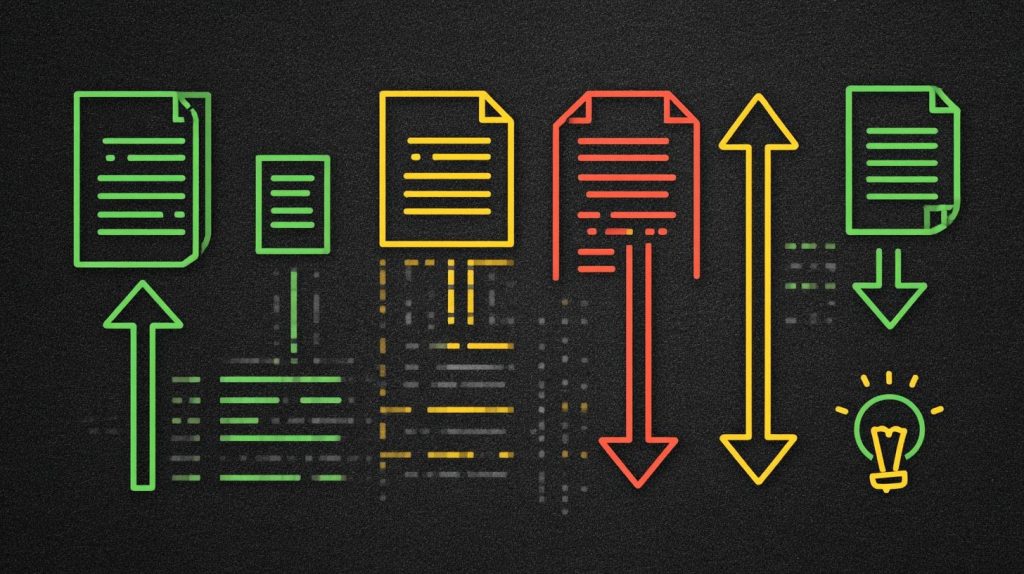
Organization Schema helps models parse business details for direct citations. Use it to mark up your site’s core info clearly. This makes AI citation signals stronger in search and chat outputs.
Follow these steps to implement effectively. First, add a JSON-LD schema to your homepage. Here is a basic example:
<script type=”application/ld+json”> { “@context”https://schema.org “@type”Organization “name”Your Brand “url”https://yourbrand.com” } </script>
Next, include LocalBusiness schema for geo-targeted pages to boost local queries. Validate everything with Google’s Rich Results Test tool. Finally, query your content in Bard or GPT to check rendering.
These tasks take about 2 hours total. Avoid over-optimization by limiting schema to key pages. Test iteratively to ensure clean AI citation signals explained without penalties.
AI prefers concise, entity-rich content with lists and tables for better parsability. Focus on depth and structure to enhance AI citation signals. This style matches how models extract and cite information.
Adopt these best practices for optimal results:
For example, Forbes-style listicles often appear in AI responses due to their scannable format. Use tables for comparisons and bold key facts. This setup aids quick parsing by language models.
Refresh content quarterly and monitor AI outputs. Brands using these tips see improved citation frequency. They align with AI citation signals explained through clarity and relevance.
Evolving models and personalization will refine citation accuracy and GEO precision. AI systems will better match user location with relevant sources. This shift promises more trustworthy outputs in searches and recommendations.
Expect real-time updates from dynamic data pulls to cut errors. Brands can optimize by aligning content with local signals. Overall, these trends enhance AI Citation Signals Explained for global reach.
Privacy-focused tools will balance targeting with user trust. GEO visibility grows as models prioritize context-aware citations. Stay ahead by monitoring model releases and testing local queries.
Next-gen models aim for high citation accuracy via multimodal training. They combine text, images, and location data for better verification. This reduces reliance on outdated info.
Trends include RAG enhancements for real-time fact-checking. Research suggests these pull fresh sources during queries. Hallucinations drop as models cross-verify claims.
Practical example: A query on local laws now cites current regional docs instead of generics. Test your content by prompting models with GEO tags. NeurIPS papers highlight ongoing multimodal gains.
Brands should audit citations in AI outputs regularly. Update databases to feed accurate signals. This builds reliability in AI Citation Signals Explained.
Personalized AI outputs will hyper-target citations based on user history and GEO. Systems match brands to familiar local contexts. This creates dynamic relevance.
User past interactions plus location generate tailored signals. Privacy-compliant methods ensure consent-driven personalization. Experts recommend clear opt-in features.
Example: A Paris user sees French bakery citations over US chains. Prep by segmenting content for regions. Prediction points to this as a 2025 standard.
Actionable step: Track user-geo matches in analytics. Adjust brand profiles for AI crawls. Strengthen AI Citation Signals Explained through personalized GEO strategies.
AI Citation Signals Explained refer to the ways AI systems, like search engines and chatbots, reference or cite brands in their responses. These signals are crucial for brand visibility in AI-driven search results and geographic positioning (GEO), helping businesses improve their online presence and authority.
Understanding AI Citation Signals Explained is vital for positioning because they determine how often and in what context your brand appears in AI-generated answers. Strong signals boost AI visibility & GEO, leading to better traffic, trust, and competitive edge in search landscapes.
AI Citation Signals Explained involve metrics like frequency of mentions, source authority, and contextual relevance. Systems cite brands based on data from websites, reviews, and structured info, prioritizing those with high-quality backlinks and GEO-specific content for accurate visibility.
Key factors in AI Citation Signals Explained include consistent branding across platforms, high domain authority, user-generated mentions, and location-based data. Optimizing for these enhances AI visibility & GEO, ensuring your brand is cited reliably in queries.
To improve AI Citation Signals Explained, focus on creating authoritative content, earning natural backlinks, optimizing for local SEO, and monitoring AI outputs. This strategy elevates AI visibility & GEO, making your brand a go-to citation in AI responses.
GEO plays a pivotal role in AI Citation Signals Explained by providing location-specific context. AI systems use it to cite brands relevant to user queries, enhancing AI visibility & GEO accuracy and helping businesses target regional audiences effectively.