 11
11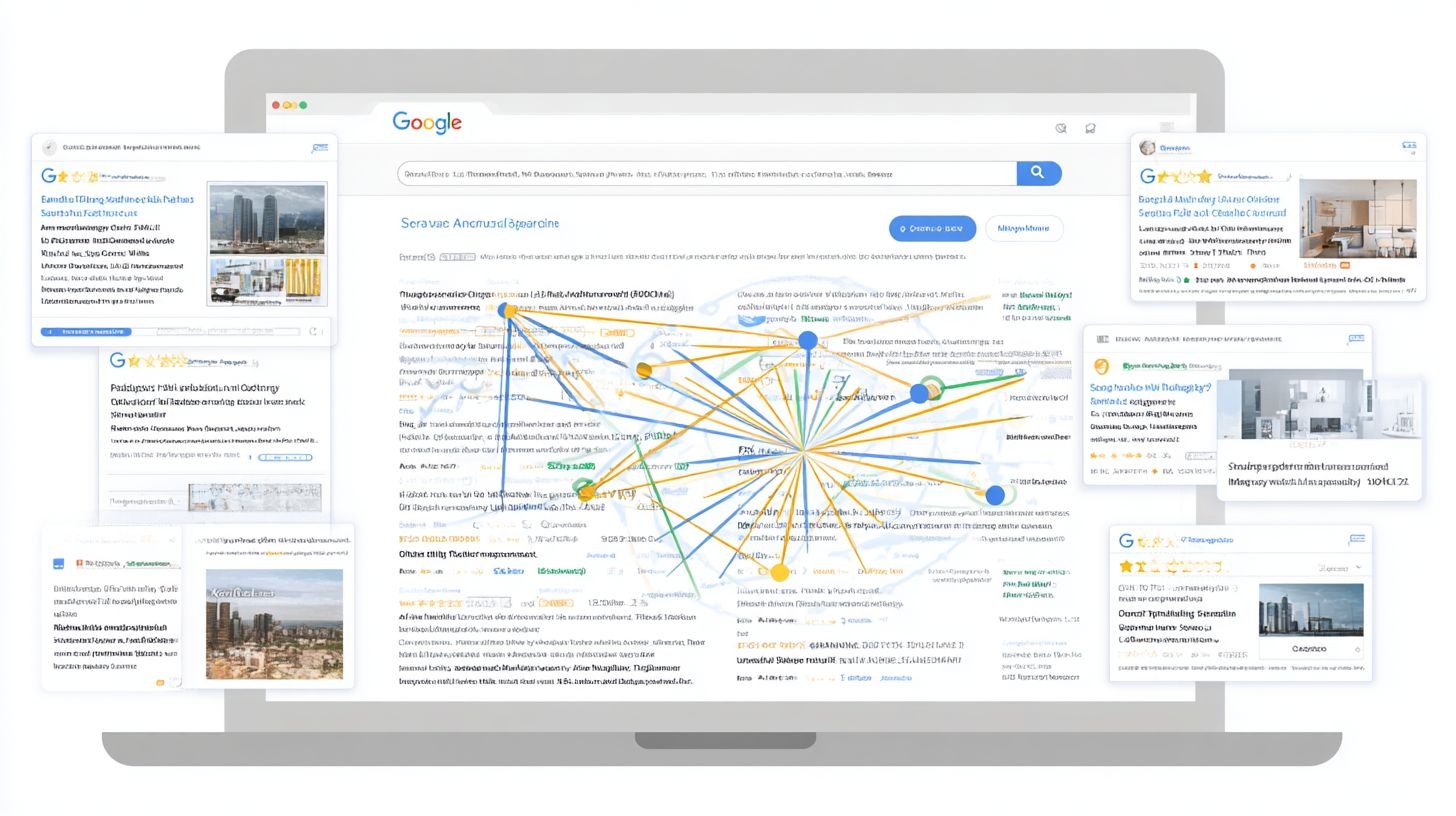
In today’s SERP-dominated landscape, uncontrolled narratives can undermine your brand‘s perception on Google search results. Our Link Suppression service empowers controlled narrative building, optimizing visibility and suppressing threats. Discover how to audit your SERP, prioritize positive signals, and scale authority-driving conversions while aligning with tools like AdRoll for sustained optimization.
Brand narratives across SERPs represent the collective story Google constructs from organic results, Knowledge Panels, AI Overviews, and People Also Ask sections for brand searches. These fragmented SERP elements come together to shape how consumers perceive a brand at first glance. The search engine results page acts as the primary digital touchpoint for building awareness.
Knowledge Panels provide quick entity validation, while AI Overviews summarize key facts from top results. Organic snippets and featured snippets add layers to the story users see. This patchwork creates an initial brand impression before any clicks occur.
Businesses often face scattered signals across SERP real estate, leading to mixed messages. For example, a query for “Nike shoes” might show a Knowledge Panel with history, AI Overview on innovations, and People Also Ask on sizing. Controlled narrative building ensures these pieces align to reinforce brand identity.
SERPs dominate top-funnel awareness, influencing decisions long before site visits. Optimization here boosts visibility and sets the tone for search traffic. Understanding this layout helps brands claim their digital presence effectively.
Google’s SERP layout determines first impressions, with Knowledge Panels establishing entity authority and AI Overviews synthesizing narrative from top results. Position 1 draws the most clicks, followed by panels that validate legitimacy. Users scan these elements to form quick judgments on trustworthiness.
Heatmap data reveals visual attention starts at the top, flowing to side panels and accordions like People Also Ask. These sections expand the narrative, answering common queries and reinforcing key messages. For instance, “Tesla autopilot safety” might highlight features via AI Overview, building confidence.
Experts like Jason Barnard note SERP dominance creates cognitive authority, where Google-endorsed elements shape user beliefs. Organic results and zero-click features fill the page, crowding out weak presences. Strong SERP control turns searches into brand reinforcement opportunities.
This hierarchy impacts brand visibility across branded queries. Paid ads may grab initial eyes, but organic and knowledge graph signals build lasting perception. Businesses optimize for this flow to close awareness gaps and drive meaningful engagement.
A controlled brand narrative features consistent messaging across Knowledge Graph entries, organic snippets, and social proof dominating branded queries. It ensures every SERP element tells the same core story. This alignment strengthens search presence and user trust.
The Kalicube methodology outlines five key pillars:
These create a unified view, unlike uncontrolled SERPs with conflicting info.
Imagine an ideal SERP for “Patagonia outdoor gear”: Knowledge Panel shows mission, top organic links highlight sustainability, AI Overview recaps impact. Contrast this with uncontrolled versions mixing outdated data or competitor snippets. Visual dominance here boosts brand SERP authority.
Focus on these pillars for SERP optimization. Consistent content across platforms fills the page with positive signals. This approach enhances organic traffic and positions the brand as the go-to authority in search results.
Controlled SERP narratives boost branded search traffic and improve conversion rates through established cognitive authority. Businesses that manage their search presence see clearer returns on investment in SEO and content marketing. This approach strengthens brand visibility across Google search results, AI overviews, and Knowledge Panels.
Shaping narratives reduces the awareness gap by ensuring consistent messaging in organic results, paid ads, and featured snippets. Kalicube Pro data highlights how narrative control aligns user expectations with brand identity. This leads to higher engagement in top funnel queries and sustained search traffic.
Without proactive SERP optimization, brands risk fragmented digital presence and lost opportunities. Preview the dangers of competitor dominance or negative content dominating results pages. Positive narrative control directly impacts conversions by building trust at every stage.
Focus on Knowledge Graph integration and entity validation to dominate brand SERPs. Experts recommend auditing search queries regularly to identify gaps in organic presence. This ROI context sets the stage for targeted strategies in visibility and authority.
Uncontrolled SERPs showing competitor ads, forum complaints, or outdated content create an awareness gap and erode potential revenue. Brands lose control over their digital presence when search results misrepresent their story. This fragmentation confuses users during brand searches.
Key risks include the following:
The Boowa & Kwala case study warns of severe reputation damage from unmanaged SERPs. Search results filled with irrelevant content weaken brand SERP authority. Regular audits help spot these issues early.
Address risks by monitoring zero-click results and AI overviews. Uncontrolled elements dilute SERP presence, pushing users toward competitors. Proactive steps prevent long-term harm to search traffic and visibility.
Brands with a Knowledge Panel and top organic rankings see higher conversion rates as users perceive established authority. Positive SERP narratives guide users through the conversion funnel effectively. This starts with validation in awareness stages.
In the awareness phase, a prominent Knowledge Panel confirms brand legitimacy amid search queries. Consistent messaging in consideration supports informed decisions with social proof. Decision-stage density of positive brand mentions seals trust for clicks and purchases.
Kalicube data shows narrative coherence lifts conversion rates through unified search presence. Nathana Rebouas implementation results demonstrate real gains from aligned organic and paid results. Focus on featured snippets and AI overviews for top-funnel impact.
Build this with targeted content optimization across results pages. Examples include customer testimonials in high-visibility spots and updated entity data. Positive narratives turn search traffic into loyal customers by reinforcing cognitive authority at every step.
Comprehensive SERP audits using Kalicube and CaliQ Pro reveal narrative gaps across 1,200+ search engines instantly. These audits show how your brand presence appears in Google, Bing, and beyond, highlighting inconsistencies in search results. They help build a unified brand narrative for better visibility and trust.
Regular audits align with services like Link Suppression, which manage unwanted links affecting your SERP. By spotting threats early, you protect organic traffic and brand awareness. This process ensures your digital presence matches your intended story across all platforms.
Start with key branded queries to preview tools and gap identification. Tools capture snapshots of knowledge panels, AI overviews, and paid ads. From there, identify awareness gaps to prioritize SERP optimization strategies.
Audits take focus on mobile SERPs and zero-click results. They guide content adjustments for top-funnel searches. Experts recommend this as a foundation for stronger search presence and marketing efforts.
Kalicube Pro and CaliQ Pro monitor brand mentions across Google, Bing, and 1,200+ platforms, providing SERP snapshots and narrative sentiment analysis. These tools excel in tracking knowledge panels, organic results, and AI overviews. They offer insights into brand SERP dominance beyond basic alerts.
| Tool | Price | Coverage | Features | Best For |
| Kalicube Pro | $99/mo | 1,200+ engines | Narrative scoring, SERP snapshots | Brand SERP optimization |
| CaliQ Pro | Enterprise | Global search engines | AI insights, sentiment analysis | Enterprise narrative control |
| Google Alerts | Free | Limited to Google | Basic mention notifications | Quick starter monitoring |
Kalicube setup is instant, pulling data without manual effort. In contrast, tools like Google Alerts require custom query entry and miss non-Google results. This makes Kalicube ideal for comprehensive SERP presence tracking.
Use these for examples like “brand name reviews” to see mention patterns. Track shifts in featured snippets and paid ads. They support strategies to boost search traffic and visibility.
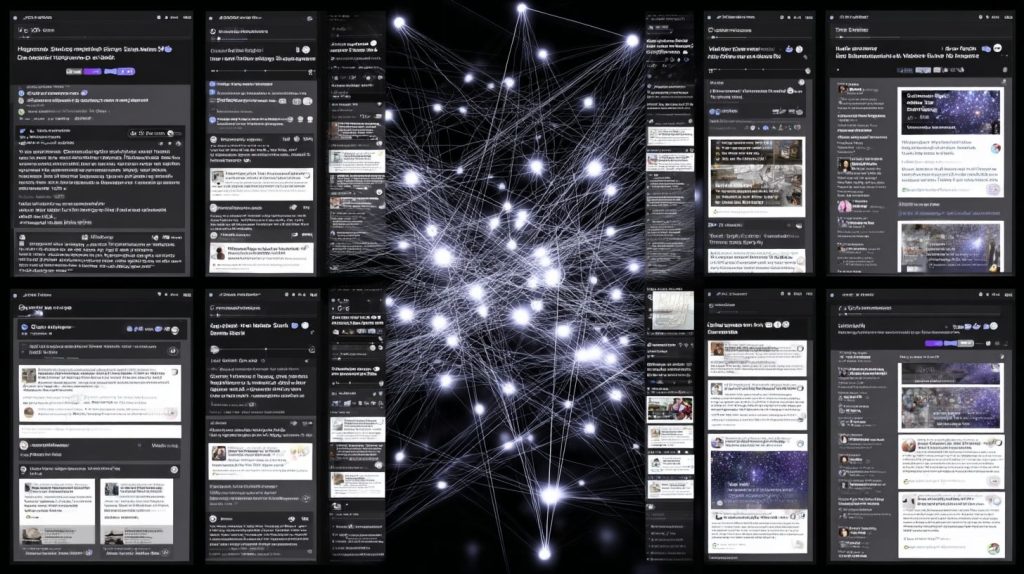
Audit 15 branded queries using Kalicube’s SERP checklist to score narrative coherence from 0-100. Focus on queries like brand name plus “scam” or “reviews” for real threats. This reveals gaps in knowledge graph and organic presence.
The process takes about 2 hours for initial setup and review. A common mistake is ignoring mobile SERPs, where layouts differ and threats hide. Always check both desktop and mobile for accurate brand visibility.
After scoring, adjust content for AI overviews and zero results. This closes awareness gaps and strengthens top-funnel traffic. Regular checks ensure consistent brand narrative across all search engines.
Link Suppression strategically reduces low-quality or negative mention visibility while amplifying controlled narrative elements in SERP real estate. This technique targets low-authority domains with Domain Authority under 20, such as obscure forums or unverified review sites. It ensures your brand narrative dominates the search results page without aggressive tactics.
The process begins by identifying unwanted links through comprehensive SERP audits. Positive signals are then amplified via content syndication across reputable platforms, pushing high-quality assets higher. This maintains white-hat compliance, aligning with search engine guidelines for sustainable brand visibility.
Kalicube’s ethical framework guides this approach, emphasizing transparency and value-driven optimization. For example, forum complaints about a brand get deprioritized as Knowledge Panel prominence and verified profiles rise. This shifts focus to controlled elements like official sites and positive media.
| Before Link Suppression | After Link Suppression |
| Forum link (DA 15) at position 3Negative review snippet visibleScattered brand mentions | Knowledge Panel at topOfficial site at position 1Syndicated positive content |
This transformation enhances organic traffic and brand awareness, filling the results page with your narrative. Experts recommend regular monitoring to sustain these gains across search queries.
Core strategies prioritize Knowledge Panel ownership, organic position dominance, and syndicated content controlling SERP real estate. These approaches build a unified brand narrative across search results. They focus on positive signals to shape user perception from the first page view.
A strong framework starts with claiming your Google Knowledge Panel through consistent entity signals. Pair this with dominating top organic positions via targeted content. Add syndication to amplify presence in featured areas like AI overviews.
Positive signal prioritization ensures brand visibility in high-CTR zones. Content syndication plays a key role, much like Link Suppression services that manage unwanted links. This combo drives search traffic and top-funnel awareness.
Experts recommend aligning these tactics for SERP optimization. Track progress with tools monitoring search presence. Results include stronger digital presence and reduced awareness gaps in search queries.
Target 7 key SERP features: Knowledge Panel, Position 1, Featured Snippets, securing impression share. Start with Google My Business optimization for the Knowledge Panel. This boosts local and brand queries instantly.
Allocate efforts with a simple framework: 40% authority building, 30% content creation, 30% technical SEO. Authority comes from backlinks and mentions. Content targets user intent, while technical fixes ensure crawlability.
For example, a brand like Neil Patel dominates Position 1 with in-depth guides. This drives organic traffic and pairs well with paid ads for zero-click results. Monitor with SERP tools to adjust for AI overviews.
Strategic syndication to LinkedIn, Medium, and HARO generates high-authority brand mentions reinforcing Knowledge Graph entities. It extends SERP presence beyond your site. This tactic shapes narratives in organic results and AI overviews.
Follow this 5-step syndication process for best results.
Myriam Jessier saw strong success with this approach, gaining mentions across top publications. Her method built Knowledge Graph strength and increased brand SERP control. Focus on quality outlets to avoid dilution.
Syndication fills awareness gaps in search results pages. It supports organic presence alongside Knowledge Panels. Regular audits ensure alignment with overall marketing strategies.
Authority signals from contextual backlinks and Wikipedia citations directly influence Knowledge Graph entity perception. These elements shape how Google views your brand across SERPs. They boost SERP presence and align with desired narratives.
The authority ecosystem involves high-quality links from relevant sources. These signals enhance brand visibility in organic results, AI overviews, and Knowledge Panels. Brands with strong profiles see better control over search queries.
Backlink strategies focus on topical relevance from niche sites. Wikipedia leverage adds neutral, high-authority citations. Together, they reinforce brand stories in search results.
Start by auditing current links for quality. Prioritize contextual anchors that match your narrative. This builds trust signals for long-term SERP dominance.
Contextual backlinks from DA50+ niche-relevant domains create topical authority stronger than generic links. They tie directly to your brand narrative in SERPs. Ahrefs data shows topical relevance correlates with higher rankings.
Ideal profiles include 60% contextual from niche publications like industry blogs. Add 25% platform links from LinkedIn or Crunchbase. Finish with 15% directories for broad coverage.
Anchor text distribution matters: 40% branded, 30% naked, and 30% topical. For example, use “best CRM software” for a SaaS brand. This boosts organic traffic and Knowledge Graph alignment.
Wikipedia pages with 5+ inline citations from DA40+ sources often trigger Knowledge Panel creation. These neutral references shape brand SERPs. They enhance trust in search results.
Follow this 5-step Wikipedia strategy, inspired by Jason Barnard’s methodology. First, establish notability through major publication coverage. Then create a draft with 8+ citations from reliable sources.
Avoid promotional tone to prevent deletion. Use Wikipedia to anchor your digital presence in AI overviews and zero-click results. This sustains SERP optimization efforts.

Ethical suppression outranks DA<25 negative mentions while amplifying controlled narrative elements. This approach strengthens SERP presence by pushing unwanted signals below the fold. It fits within Link Suppression services through compliant strategies.
Focus on outranking techniques rather than aggressive takedowns. Build topical authority with fresh content that aligns with brand narratives. Over time, this boosts organic traffic and reduces visibility of off-brand signals in search results.
Combine content clusters with contextual links to dominate search queries. Monitor progress to ensure brand visibility improves across Google results. Ethical methods maintain long-term SERP optimization without risks.
Preview key tactics like AI overviews optimization and knowledge panel alignment. These suppress negatives by elevating positive brand mentions. Results enhance brand awareness and digital presence.
Ethical Link Suppression improves site quality scores through positive signal amplification rather than direct removal requests. It prioritizes outranking via authority over disavow tools. This keeps Google Webmaster guidelines intact.
The first pillar avoids disavows and focuses on content replacement strategies. Create high-value assets that naturally push down negatives. For example, develop guides on brand history to fill search results.
Second, no paid deletion services ensure compliance. Third, build topical authority clusters for sustained SERP dominance. Fourth, adhere to Google rules for organic presence growth.
Consider the case study of Amy Leach, who reduced negative visibility ethically. She amplified positive brand narratives across knowledge graph entries. This lifted her search presence without penalties.
Target low-quality mentions with content clusters achieving ranking velocity through topical authority. Start by analyzing SERP features for your brand queries. This reveals gaps in brand SERP.
Follow this numbered process for outranking:
Expect Page 1 dominance in about 90 days with consistent effort. This displaces DA<20 mentions naturally. Track organic traffic lifts from top-funnel queries.
Integrate featured snippets and zero-click results optimization. Amplify brand awareness to fill AI overviews. This creates a positive search presence loop.
Synchronized messaging across Google Knowledge Graph, Bing Spotlight, and LinkedIn Company Pages creates unified entity perception. This cross-engine consistency ensures your brand narrative appears cohesive in search results, boosting SERP presence and trust. Users see the same story whether exploring organic results or social profiles.
A unified messaging framework aligns core elements like taglines, visuals, and structured data. It prevents mixed signals that confuse search engines and dilute brand awareness. Focus on repeating key themes to strengthen your digital presence across platforms.
Start by auditing current listings on Google, Bing, and LinkedIn for gaps in narrative flow. Update profiles to match your central brand story, such as emphasizing innovation in sustainable tech everywhere. This coordination enhances visibility in AI overviews and knowledge panels.
Preview the framework below: define core attributes, standardize visuals, and sync schema. Regular reviews keep your SERP optimization sharp amid evolving search queries. Consistent narratives drive more organic traffic and top-funnel engagement.
Create messaging framework with 3 core attributes consistent across Google My Business, Bing Places, and LinkedIn About sections. Pick descriptors like reliable, innovative, and customer-focused to anchor your brand narrative. This builds a single voice that search engines recognize.
Next, enforce visual identity with the same logo and uniform images. Use tools like Canva Studio templates for social headers, ensuring a matching color scheme and style. For example, apply the same hero image across all platforms to reinforce SERP presence.
Implement schema on your site and verify it matches directory data for better knowledge graph integration. Test with sample search queries to spot inconsistencies. This approach lifts brand visibility in featured snippets and zero-click results.
Track narrative dominance through Kalicube’s 0-100 scoring across 15 SERP elements and branded query impression share. This framework helps brands assess control over their story across Google search results. It connects visibility in knowledge panels, AI overviews, and organic results to overall brand awareness.
Start by setting up monitoring for branded queries like “brand name reviews” or “brand name history“. Use tools to track changes in SERP presence weekly. This reveals shifts in search traffic and top-funnel awareness.
Preview key KPIs such as Narrative Coherence Score, impression share, and click-through rates. Regular checks ensure your digital presence aligns with the intended narrative. Adjust strategies based on gaps in knowledge graph or zero-click results.
Experts recommend combining organic and paid metrics for a full view. Monitor negative mentions in top results to protect brand SERP. Consistent measurement drives serp optimization and sustained visibility.
Primary KPI: Narrative Coherence Score (target 85/100) measuring Knowledge Panel presence, top 3 ownership, and negative signal absence. This score from Kalicube evaluates how well your brand narrative dominates the SERP. It covers elements like featured snippets and AI overviews for a complete picture.
| Metric | Target | Tool | Frequency |
| Narrative Score | 85+ | Kalicube | Weekly |
| Impression Share | 72%+ | Google Search Console | Monthly |
| KP CTR | 18%+ | SEMrush | Bi-weekly |
| Negative Mentions | 0 in top 10 | Boowa & Kwala | Daily |
Reference Boowa & Kwala baseline benchmarks to set realistic goals for your brand SERP. For example, track impression share on branded queries to gauge search presence. High scores indicate strong control over organic traffic and knowledge panel accuracy.
Monitor KP CTR to measure engagement with knowledge panel elements. Low negative mentions in top results protect against awareness gaps. Use these KPIs to refine content strategies and boost serp presence.
Mastery requires controlling both branded queries with strong ownership and incipient non-branded queries shaping AI Overviews. These tactics go beyond basic SERP optimization to build a unified brand story across search results. They focus on knowledge panel dominance and featured snippets for lasting visibility.
Advanced strategies target zero-click results and People Also Ask sections to guide user perception. Brands use structured content to influence AI overviews and organic traffic flow. This creates a cohesive digital presence from top-funnel awareness to conversion.
Preview key approaches like query optimization and content clustering. These methods expand brand SERP control into non-branded spaces. Experts recommend aligning paid ads with organic results for amplified narrative impact.
Implement tools for monitoring search queries and adjusting in real time. Track SERP presence changes to refine your strategy. Consistent execution boosts brand awareness and search traffic over time.

Optimize with an 80/20 focus: total dominance on branded queries for 80 percent of efforts, and expansion into incipient non-branded queries for the remaining 20 percent to grow awareness and influence ChatGPT responses. Branded queries like direct company names demand top positions. Non-branded ones bridge awareness gaps in competitive spaces.
| Type | Examples | Optimization Priority | SERP Targets |
| Branded | Kalicube, Kalicube reviews | High (total control) | Top 5 organic, knowledge panel |
| Incipient Non-Branded | brand reputation management, AI SERP tools | Medium (expansion) | Top 3 PAA, featured snippets, AI overviews |
Branded query optimization secures immediate visibility and trust signals like knowledge panels. Non-branded efforts capture top-funnel traffic and shape emerging narratives. Balance both to strengthen overall SERP presence.
Follow this 7-step roadmap for incipient non-branded queries, using an Unsplash-style image of a mountain path as a visual example for narrative progression.
Sustainable frameworks using Kalicube Pro automation maintain narrative coherence across quarterly business evolution. These systems ensure your brand narrative stays consistent amid changing search queries and AI overviews. They adapt to shifts in SERP presence without constant manual tweaks.
Long-term scaling relies on automated monitoring that tracks brand SERP elements like knowledge panels and featured snippets. This approach builds organic traffic by aligning content with evolving user intent. Businesses see steady brand awareness as top-funnel visibility grows.
Preview monitoring systems that integrate daily checks with strategic reviews. They flag disruptions in search results, such as new competitor paid ads or awareness gaps. Over time, this creates a resilient digital presence across Google and other engines.
Experts recommend combining automation with periodic audits for SERP optimization. Real-world cases show brands sustaining knowledge graph accuracy through such methods. This scales brand visibility effectively for ongoing marketing efforts.
Automated frameworks trigger alerts when Narrative Score drops below set thresholds or negative mentions enter top results. A 4-tier framework provides structure for SERP monitoring. It keeps your brand narrative aligned across organic and paid elements.
Configure the CaliQ Pro dashboard in about 15 minutes by selecting key queries and setting alert parameters. This setup scans search results for inconsistencies in knowledge panels and AI overviews. It ensures quick responses to changes in brand SERP layout.
Follow this structured approach:
During a Christmas campaign, this framework caught a dip in brand mentions, allowing rapid adjustments. It preserved organic presence and boosted seasonal search traffic. Such monitoring scales brand visibility for sustained marketing success.
Answer: Shaping brand narratives across SERPs involves strategically controlling the search results page to align with your desired brand story through controlled narrative building and link suppression services. This ensures positive, on-brand content dominates visibility while minimizing negative or off-brand influences.
Answer: Controlled narrative building is a core technique for how to shape brand narratives across SERPs, where you curate and promote authoritative content that reinforces your brand’s story, paired with link suppression to bury competing or unfavorable links.
Answer: Link suppression is key to how to shape brand narratives across SERPs by reducing the visibility of low-quality or negative links, allowing your controlled narrative to take precedence and create a cohesive brand story across all search results.
Answer: Shaping brand narratives across SERPs ensures first impressions are positive and consistent, influencing consumer perception through controlled narrative building that prioritizes your brand’s voice over scattered or adversarial content.
Answer: Key steps include auditing current SERPs, creating high-authority content for controlled narrative building, implementing link suppression, and monitoring results to maintain dominance in how to shape brand narratives across SERPs.
Answer: Yes, link suppression services directly support how to shape brand narratives across SERPs by demoting irrelevant or harmful results, enabling a unified, controlled narrative that enhances brand trust and SEO performance.