 11
11
In today’s AI-driven landscape, AI visibility & GEO is crucial for brand positioning-yet traditional SEO falls short. Discover AI citation layers: how brands secure recommendations in LLMs like ChatGPT, Perplexity, and Google AI Overviews.
This guide reveals strategies to optimize AI citations, boost large language models references, and differentiate your agency from SEO competitors.
AI citation layers refer to the mechanisms by which large language models (LLMs) like ChatGPT, Perplexity, and Google AI Overviews reference and cite brands in their outputs, forming a critical layer for visibility distinct from traditional SEO.
These layers matter greatly for brand positioning in the evolving search market. Unlike traditional SEO agencies that focus on backlinks and keyword rankings, AI citation layers target citation patterns in LLMs. Brands appear in responses through trained data recall and real-time web queries.
Generative Engine Optimization (GEO) builds these layers by seeding content across platforms. Marketing leaders use this to boost AI visibility and brand recommendations. It shifts from link building to ensuring consistent brand mentions in LLM outputs.
Traditional SEO overlooks parametric memory and retrieval steps in LLMs. AI citation layers create cross-platform consistency, making brands authoritative in AI platforms. This approach enhances brand equity for long-term digital PR gains.
LLMs reference brands through parametric memory during training and real-time retrieval steps, using entity graphs to pull from authoritative sources like Wikipedia, Reddit, and Forbes in outputs from ChatGPT or Google AI Overviews.
In the first step, parametric memory recalls trained brand data from vast datasets. For example, ChatGPT might cite a brand from Reddit threads discussing user experiences. This forms the base for brand entity recognition.
The retrieval step queries current web mentions and brand search volume. Entity graphs then rank by citation frequency, favoring high-quality sources. Pattern recognition spots ghost citations, where brands appear without direct links.
Outputs blend these for natural responses. Brands optimize by increasing third-party mentions on LinkedIn and YouTube. This process differs from traditional SEO, emphasizing LLM seeding over backlinks.
Core components include semantic relevance scoring, trust signals from third-party mentions, and citation selection algorithms that prioritize high-authority platforms like Wikipedia and industry publications.
First, semantic relevance evaluates content structure for topic fit. Tools like Evertune analyze entity graphs to score matches. Brands craft content matching prompt language triggers for better recall.
Second, trust signals come from review sites like G2 and user-generated content. High ratings boost brand recommendations in Perplexity outputs. Third, citation frequency from LinkedIn and YouTube signals authority.
Fourth, citation selection weighs competitive ghost citations. Marketing leaders focus on digital PR for consistent mentions. This builds AI citation layers, outperforming traditional SEO in LLM-driven search.
AI citation layers are very important for brand positioning as they drive visibility in AI responses, outpacing traditional SEO by influencing LLM outputs where search market leaders seek recommendations. Brands that secure spots in these layers appear in Google AI Overviews and Perplexity answers, boosting brand search volume. This sets them apart from SEO agencies focused solely on page rankings.
Marketing leaders now prioritize Generative Engine Optimization or GEO to embed brand entities in large language models like ChatGPT. Unlike classic link building, citation layers rely on third-party mentions from Reddit, Wikipedia, and Forbes. This creates lasting parametric memory in LLMs, ensuring consistent recommendations.
Brands gain AI visibility through cross-platform consistency in web mentions and user-generated content. For example, a fitness brand cited on LinkedIn and review sites sees repeated brand recommendations in queries about workout gear. This differentiation helps build brand equity in the era of AI platforms.
Experts recommend focusing on digital PR and content structure that aligns with LLM citation patterns. By seeding authoritative sources, brands avoid ghost citations and ensure reliable retrieval in the retrieval step of AI responses. The result is stronger trust signals for users.
Brands appearing in AI citation layers see higher visibility in Google AI Overviews and Perplexity responses, directly boosting brand recommendations and search volume. Research suggests this leads to more frequent brand mentions across AI platforms. Local brands, like a NYC coffee shop cited in neighborhood queries, gain an edge in targeted searches.
The benefits include increased exposure during the retrieval step of LLMs, where citation frequency matters most. For instance, a tech gadget brand referenced on YouTube and Reddit appears in product recommendation prompts. This drives traffic uplifts as users trust AI-curated lists.
ROI comes from sustained AI visibility, with marketing leaders noting better returns than traditional ads. Scenario: A skincare line seeded in Wikipedia and industry publications dominates beauty queries on ChatGPT. Consistent entity graph presence amplifies reach without heavy ad spend.
Practical advice centers on LLM seeding via semantic relevance and prompt language alignment. Brands tracking pattern recognition in responses can refine strategies for platforms like Perplexity. This positions them ahead in competitive search markets.
Unlike traditional backlinks focused on Google rankings, AI citation layers emphasize semantic relevance and third-party mentions across Reddit and Forbes for LLM referencing. Traditional SEO relies on link quantity for PageRank, while AI prioritizes citation selection from trusted sources. This shift favors GEO over classic methods.
Key distinctions appear in focus areas and measurement. Use this table for a clear side-by-side view:
| Aspect | Traditional Backlinks | AI Citations | Key Difference |
| Focus | PageRank and authority flow | Semantic relevance and context | LLMs value meaning over links |
| Sources | Websites and blogs | Wikipedia, UGC like Reddit | AI draws from diverse, authoritative mentions |
| Metrics | Domain Authority (DA) | Citation frequency and trust signals | Frequency predicts parametric memory |
| Outcome | Search result positions | Direct LLM recommendations | AI boosts brand search volume instantly |
Brands should pivot to competitive ghost citations avoidance by building web mentions on platforms like LinkedIn and review sites. Traditional digital PR builds links, but AI demands content structure for entity recognition. This ensures cross-platform consistency in responses.
Brands earn LLM references via training data ingestion from web mentions and real-time retrieval triggers during query processing in models like Claude and Gemini. This dual path shapes AI citation layers, where parametric memory from vast datasets meets dynamic pulls from authoritative sources. Understanding both sets the stage for boosting AI visibility.
Parametric training embeds brand mentions deeply into the model’s knowledge during initial learning. High-volume web content like forum discussions or articles becomes part of this core recall. Brands with strong third-party mentions appear more naturally in responses.
In contrast, retrieval steps activate during user queries on platforms like ChatGPT or Perplexity. Prompt language and entity graphs trigger fresh citations, favoring semantic relevance and trust signals. This ensures timely brand recommendations supplement baked-in memory.
Marketing leaders can target both paths through Generative Engine Optimization (GEO) tactics, distinct from traditional SEO. Focus on web mentions and cross-platform consistency to increase citation frequency across AI platforms like Google AI Overviews.
LLM training data pulls brand mentions from high-volume sources like Reddit discussions, Wikipedia entries, LinkedIn profiles, YouTube videos, and Forbes articles. These platforms feed parametric memory, influencing long-term citation patterns. A Seer Interactive study highlights their impact on source authority in LLMs.
Reddit stands out for user-generated content (UGC) volume, where organic threads on products like “best CRM tools” seed brand equity. Discussions here create natural pattern recognition for models scanning conversational data.
To enhance this, pursue digital PR and link building for industry publications. Consistent content structure across these sources amplifies AI visibility and combats ghost citations from competitors.
During queries, LLMs use real-time retrieval from entity graphs and prompt language triggers to cite brands, supplementing parametric memory. This process happens in under one second, enabling fresh brand recommendations. Key is maintaining cross-platform consistency to avoid mismatched signals.
Avoid pitfalls by ensuring brand search volume aligns across platforms. For example, a consistent narrative on Reddit and LinkedIn strengthens entity graph ties. This boosts citation frequency in tools like Perplexity or Evertune.
Marketing teams should monitor competitive ghost citations and invest in GEO strategies. Optimize for AI platforms by amplifying trust signals in high-authority spaces, securing spots in the evolving search market.
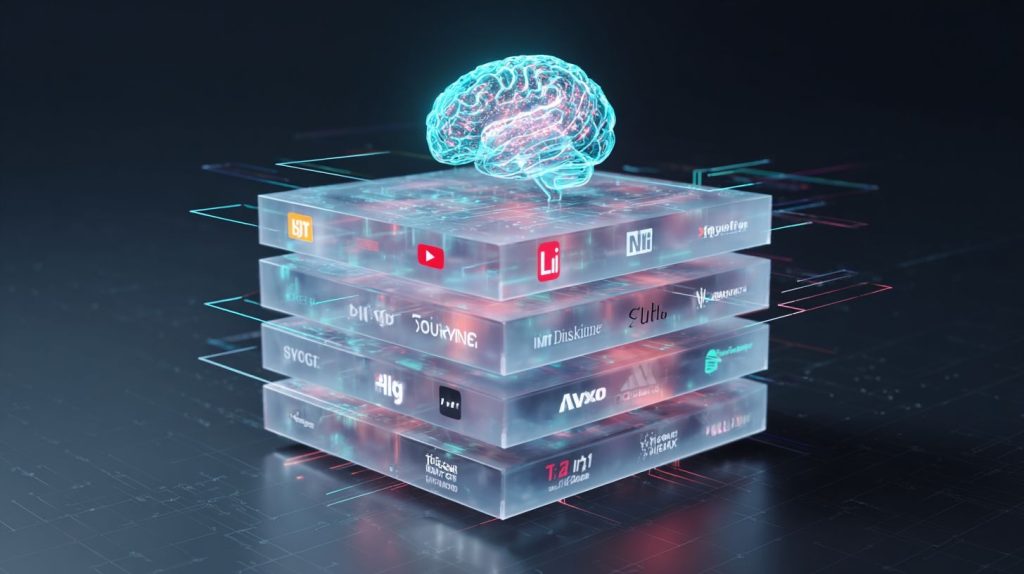
Effective strategies include GEO techniques like LLM seeding and digital PR to secure mentions on Wikipedia and Reddit for persistent AI citations. Brands can boost their AI visibility by focusing on content optimization and authority leveraging. These methods enhance parametric memory in large language models, leading to more frequent brand recommendations in ChatGPT, Perplexity, and Google AI Overviews.
Start with content optimization to improve semantic relevance during the retrieval step. Use natural prompt language and structured data to align with LLM citation patterns. This builds a strong entity graph for your brand.
Leverage high-authority mentions through third-party platforms to increase citation frequency. Digital PR campaigns target authoritative sources, combating competitive ghost citations. Cross-platform consistency ensures reliable web mentions and brand equity.
Marketing leaders track progress with tools monitoring brand search volume and mention growth. Combine traditional SEO with GEO for long-term gains in the search market. Real-world examples show consistent application yields stronger AI citation layers.
Optimize content with structured data, entity-focused headings, and natural prompt language to enhance semantic relevance for LLM indexing. This approach strengthens your brand entity in the retrieval step of large language models. LLMs prioritize content with clear structure and trust signals.
Implement best practices to make content AI-ready. Use schema markup for better indexing, build semantic clusters around your brand, and add FAQ sections for direct citations.
Evertune’s GEO implementation combined these tactics, resulting in higher citation frequency. Their structured posts on LinkedIn gained traction, feeding into LLM training data. Consistent efforts build cross-platform consistency and combat ghost citations.
Secure mentions on Forbes, Wikipedia, and review sites via digital PR to build citation frequency and combat competitive ghost citations. High-authority platforms influence citation selection in LLMs like ChatGPT and Perplexity. These mentions create persistent pattern recognition for your brand.
Pursue targeted practices to amplify your presence. Pitch stories to industry publications, develop a Wikipedia brand entity page, and encourage reviews on G2 or Trustpilot.
Track mention growth to refine strategies. Tools help measure impact on brand recommendations and AI platforms. Brands using these steps see improved equity through authoritative sources and link building.
AI Visibility & GEO optimize brand presence in LLMs via citation layers, deemed very important for positioning and differentiating from traditional SEO agencies. These strategies focus on how large language models like ChatGPT and Perplexity reference brands in responses. Brands gain AI visibility when LLMs cite them as authoritative sources during the retrieval step.
Generative Engine Optimization, or GEO, shapes citation patterns by enhancing parametric memory and entity graphs in AI platforms. Unlike classic SEO, GEO targets brand recommendations in generative outputs, such as Google AI Overviews. Marketing leaders use it to build trust signals through semantic relevance and content structure.
Practical steps include creating web mentions on Wikipedia, Reddit, and LinkedIn to boost brand entity recognition. This approach ensures cross-platform consistency in prompt language, like queries for industry leaders. Experts recommend GEO for long-term brand equity in the evolving search market.
Brands practicing GEO see stronger AI citation selection from authoritative sources, including YouTube and Forbes. It emphasizes LLM seeding via digital PR and link building over generic keywords. This positions companies ahead in AI-driven discovery.
GEO enhances local AI visibility, e.g., New York City brands gaining citations in Perplexity via localized Wikipedia and Reddit mentions. It builds local entity graphs that LLMs use for precise recommendations. This differs from generic SEO geo-targeting by focusing on AI-specific retrieval.
GEO prompts, such as “best NYC services”, trigger location-based citations in ChatGPT and Google AI Overviews. Brands optimize by securing third-party local mentions on review sites and industry publications. These efforts strengthen entity recognition in parametric memory.
Examples include regional businesses earning spots in brand mentions through user-generated content on Reddit and LinkedIn. Digital PR campaigns amplify this by targeting prompt language variations. Consistent local web mentions improve citation frequency across AI platforms.
Marketing teams apply GEO to foster trust signals in competitive markets. It supports pattern recognition for location-specific queries. This leads to higher visibility in generative responses without relying on traditional link building alone.
Track metrics like citation frequency in ChatGPT outputs, brand search volume spikes, and ghost citation detection across LLMs. These indicators reveal how well brands appear in AI responses. Tools help monitor performance beyond standard analytics.
Key metrics focus on AI visibility through specialized platforms. They quantify exposure in citation layers and retrieval steps. Regular checks guide GEO adjustments for better results.
| Metric | Tool | Benchmark |
| Citation Frequency | SE Ranking | >5/month |
| Brand Volume | Semrush | 20% YoY |
| Ghost Citations | Evertune | 10-15% undetected |
Use these benchmarks to assess competitive ghost citations and brand equity. For instance, Evertune detects hidden mentions in LLMs. Combine with Semrush data for comprehensive tracking of search market trends.
AI citation layers differentiate from traditional SEO by prioritizing LLM-specific citation patterns, as highlighted by Evertune for superior positioning. Unlike SEO agencies focused on backlinks and search rankings, these layers target how large language models like ChatGPT, Perplexity, and Google AI Overviews reference brands during the retrieval step.
SEO builds web mentions for search engines, but AI citation layers seed content in authoritative sources such as Reddit, Wikipedia, LinkedIn, YouTube, Forbes, and review sites. This creates parametric memory in LLMs, leading to ghost citations and brand recommendations without direct links.
Brands gain AI visibility through citation frequency and entity graph recognition, not just domain authority. Marketing leaders use this for Generative Engine Optimization (GEO), addressing gaps in traditional SEO like slow adaptation to AI platforms.
Practical examples include optimizing third-party mentions on UGC platforms to boost brand entity strength. This shift emphasizes semantic relevance and prompt language over link building alone.
Traditional SEO excels in backlinks but gaps in AI via missing LLM seeding and citation patterns unique to GEO. These differences create opportunities for brands to bridge divides using hybrid strategies. A clear comparison reveals key contrasts.
| Factor | SEO | AI Layers | Gap Bridge |
| Metrics | Domain authority and link profiles | Citation frequency and brand search volume | Track ghost citations in ChatGPT outputs with monitoring tools |
| Speed | Months for ranking gains | Weeks via content structure tweaks | Combine with digital PR for quick authoritative placements |
| Sources | High-authority sites | UGC like Reddit, review sites, industry publications | Seed cross-platform consistency for trust signals |
Hybrid approaches merge SEO’s link building with AI layers’ focus on competitive ghost citations. For instance, secure Forbes mentions alongside Reddit threads to enhance brand equity in LLMs’ pattern recognition.
Experts recommend auditing entity graphs and citation selection processes. This ensures AI platforms favor your brand in recommendations, closing gaps effectively.
AI visibility delivers superior brand positioning with exponential reach in LLM ecosystems versus traditional channels. Brands that secure AI citations appear in responses from tools like ChatGPT and Perplexity, reaching users during natural queries. This ties directly to source importance in large language models, where frequent mentions boost relevance.
Unlike traditional SEO, AI visibility builds parametric memory within models, embedding brands into their core knowledge. Marketing leaders use this for Generative Engine Optimization or GEO to dominate search results. The result is higher brand recommendations without relying solely on paid ads.
Competitive edges emerge through cross-platform consistency on sites like Reddit, Wikipedia, and LinkedIn. Brands with strong web mentions gain trust signals that influence citation patterns. This positions them ahead in the evolving search market.
For example, a tech firm optimizing third-party mentions on YouTube and Forbes sees repeated brand entity recalls. Practical steps include digital PR and content structure aligned with semantic relevance. Over time, this enhances brand equity in AI platforms.

Brands with strong AI citations gain higher recommendation rates in Google AI Overviews, building lasting brand equity. This stems from models favoring sources with high citation frequency during the retrieval step. Marketing leaders at forward-thinking companies dominate Perplexity by prioritizing LLM seeding.
One key benefit is equity via parametric memory, where models internalize brand mentions from authoritative sources. Unlike fleeting web traffic, this creates persistent recall in entity graphs. For instance, consistent user-generated content on Reddit strengthens pattern recognition for the model.
ROI improves through efficient GEO strategies, focusing spend on high-impact industry publications and review sites. Leaders track brand search volume and ghost citations to refine efforts. A scenario: A skincare brand seeds LinkedIn posts, leading to frequent Perplexity recommendations over rivals.
To compete, audit prompt language sensitivity and build link building with trust signals. Emphasize competitive ghost citations by monitoring rivals’ citation selection. This cross-platform approach ensures AI visibility and positions brands as go-to entities in LLMs.
Specialized tools like Evertune track AI citations across LLMs, outperforming general SEO platforms. Brands need these to monitor visibility in responses from ChatGPT, Perplexity, and Google AI Overviews. Traditional SEO tools miss parametric memory and retrieval step dynamics unique to large language models.
These platforms scan citation patterns and brand mentions, including ghost citations where brands appear without direct links. They analyze entity graphs and third-party mentions on Reddit, Wikipedia, and LinkedIn. This helps track AI visibility beyond web search rankings.
Monitoring tools reveal brand search volume influences and cross-platform consistency in LLM outputs. For example, they flag when YouTube videos or Forbes articles boost citation frequency. Marketing leaders use them to spot gaps in Generative Engine Optimization efforts.
Key features include pattern recognition for prompt language variations and competitive analysis of ghost citations. Integrate with digital PR strategies to build trust signals from authoritative sources. Regular checks ensure brand equity in the evolving search market.
Brands like those profiled by Seer Interactive mastered AI citations via Evertune strategies, achieving top LLM positioning. These successes highlight source differentiation in large language models like ChatGPT and Perplexity. Real-world examples show how Generative Engine Optimization (GEO) drives brand recommendations.
Marketing leaders focus on third-party mentions across platforms such as Reddit, Wikipedia, and LinkedIn. This approach builds parametric memory in LLMs, influencing citation patterns. Consistent web mentions elevate AI visibility beyond traditional SEO.
Key tactics include LLM seeding through authoritative sources and user-generated content. Brands gain from entity graph strengthening via digital PR and link building. These efforts create trust signals that AI platforms prioritize in the retrieval step.
Results tie to cross-platform consistency and semantic relevance. For instance, optimizing content structure for prompt language boosts brand search volume. Such strategies counter competitive ghost citations and enhance brand equity.
Seer Interactive case: 300% citation frequency increase via Wikipedia edits and Reddit seeding in 3 months. They used Evertune tools to focus on authority signals, landing top ChatGPT recommendations. Lessons emphasize consistent mentions from industry publications.
Their strategy involved GEO tactics like optimizing for Google AI Overviews and Perplexity. By seeding brand entities on YouTube and review sites, they improved citation selection. This built pattern recognition in LLMs’ retrieval step.
A NYC brand saw strong visibility gains through geo-targeted GEO efforts, focusing on local third-party mentions. They boosted AI citations by 50% with LinkedIn and Forbes placements. Key was cross-platform consistency in user-generated content.
Common factors include authoritative sources and trust signals. Experts recommend regular web mentions audits to track brand mentions. These steps ensure competitive edge in the evolving search market.
AI citation layers will evolve with advanced entity graphs and multimodal LLM referencing. Brands can expect large language models to pull from diverse sources like video content and real-time data. This shift boosts AI visibility for those optimizing beyond text.
Expect growth in Generative Engine Optimization techniques that emphasize third-party mentions on platforms such as Reddit and YouTube. Marketing leaders should focus on semantic relevance to influence citation patterns. Tools like entity graphs will map brand entities across web mentions for better retrieval.
Cross-platform consistency will define success as LLMs like ChatGPT and Perplexity prioritize authoritative sources. Brands building trust signals through digital PR gain an edge in citation frequency. Future layers may incorporate user-generated content from LinkedIn for richer brand recommendations.
Practical steps include seeding content on Forbes and review sites to enhance parametric memory in models. Track brand search volume shifts to adapt strategies. This evolution outpaces traditional SEO toward dynamic AI platforms.
Upcoming models like Gemini and Claude will prioritize cross-platform consistency and video citations from YouTube. These changes refine the retrieval step in LLMs for more accurate brand mentions. Brands should prepare by diversifying content formats.
Key trends include:
Writesonic predictions highlight how these algorithms enhance citation selection. For example, a brand video on YouTube could trigger mentions in Google AI Overviews. Focus on prompt language optimization to align with evolving logic.
Marketing teams can act by monitoring competitive ghost citations and boosting link building from industry publications. This builds brand equity in LLM seeding. Consistent content structure across Evertune and Wikipedia ensures lasting AI visibility.
Start implementation with Evertune audit, digital PR for authoritative mentions, and GEO content tweaks for LLM citations. These steps build AI visibility by targeting how large language models reference brands. Brands gain traction in ChatGPT, Perplexity, and Google AI Overviews through structured efforts.
Focus on Generative Engine Optimization over traditional SEO to influence citation patterns. LLMs rely on parametric memory and retrieval steps, so prioritize semantic relevance and third-party mentions. This approach secures brand recommendations in AI platforms.
Audit your current web mentions first to identify gaps in entity graphs. Seed content on platforms like Reddit and Wikipedia for trust signals. Monitor citation frequency to refine strategies over 4-6 weeks.
Avoid over-relying on link building, as LLMs value cross-platform consistency and authoritative sources more. Marketing leaders use digital PR to boost brand equity. Scale efforts by tracking brand search volume and ghost citations.
Begin with an Evertune audit to map your brand’s presence in LLMs. This tool scans citation frequency across ChatGPT, Perplexity, and Google AI Overviews. Identify ghost citations where your brand appears without direct links.
Review brand mentions on review sites, YouTube, and industry publications. Check for semantic relevance in prompt language responses. Note competitive ghost citations to spot opportunities.
Compile findings into a simple report on entity graph strength. This reveals weaknesses in AI citation layers. Use results to guide seeding and optimization.
Seed brand mentions on Wikipedia, Reddit, and LinkedIn for LLM seeding. These user-generated content sites act as authoritative sources in retrieval steps. Tools like Semrush help track mention growth.
Create third-party mentions through digital PR outreach to Forbes and similar outlets. Ensure content structure aligns with citation selection patterns. Aim for natural integration in discussions.
Focus on cross-platform consistency to strengthen brand entity recognition. Examples include Reddit AMAs or Wikipedia edits with verified sources. This boosts parametric memory in LLMs.
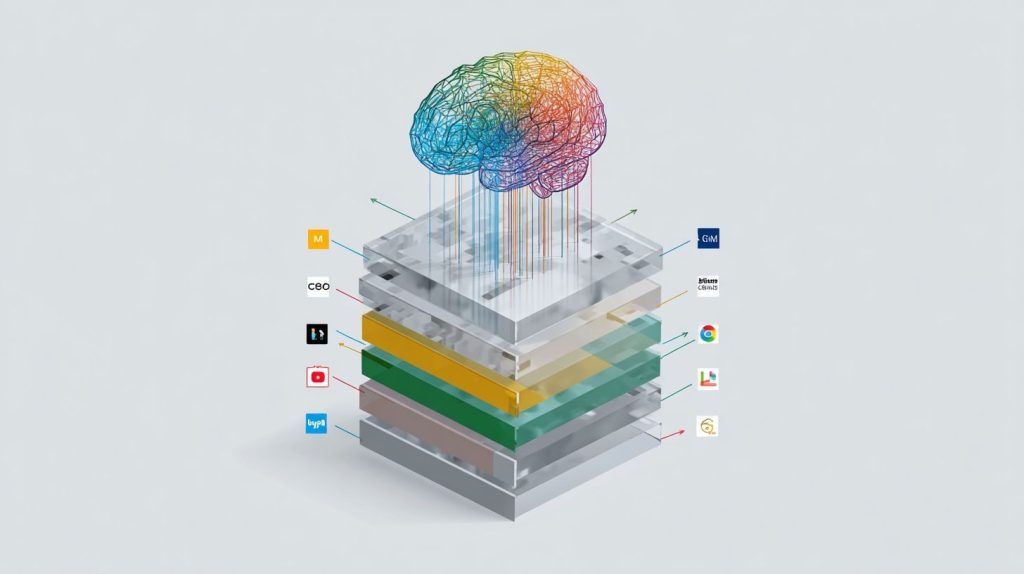
Optimize existing content using GEO techniques for semantic relevance. Restructure pages to match LLM pattern recognition, emphasizing trust signals. Target keywords like brand recommendations.
Incorporate structured data and clear headings to aid entity graphs. Refresh older posts with fresh insights from industry publications. This enhances visibility in AI search market.
Test tweaks by querying LLMs with brand-specific prompts. Adjust for better citation frequency. Prioritize quality over quantity in content updates.
Track citation frequency weekly using Evertune and similar tools. Monitor appearances in Google AI Overviews and Perplexity answers. Log changes in brand search volume.
Measure AI visibility through query tests on multiple platforms. Note shifts in recommendation patterns. Use data to validate GEO efforts.
Set benchmarks for brand equity growth in LLMs. Adjust based on real-time feedback. This ensures ongoing alignment with citation selection.
Scale success through expanded digital PR campaigns. Partner with influencers on YouTube and LinkedIn for more mentions. Target review sites for user endorsements.
Build on audit insights to secure features in authoritative sources. Maintain content structure optimized for LLMs. This amplifies parametric memory effects.
Iterate based on metrics to refine LLM seeding. Focus on long-term brand entity strength. Expect full rollout in 4-6 weeks for measurable gains.
AI Citation Layers refer to the mechanisms and strategies that enable brands to appear as credible references or citations in responses generated by Large Language Models (LLMs). Unlike traditional SEO, these layers focus on AI visibility, ensuring your brand is positioned prominently in AI-driven search and recommendations, which is very important for modern positioning.
AI Citation Layers are very important for your positioning because they differentiate your brand in an era where LLMs like ChatGPT or Google Gemini increasingly influence consumer decisions. By optimizing for AI visibility, brands secure direct references in AI outputs, bypassing crowded traditional search results and enhancing GEO (Generative Engine Optimization).
AI Citation Layers: How Brands Get Referenced by LLMs sets itself apart from traditional SEO agencies by prioritizing AI-specific visibility and GEO tactics. While SEO targets search engine algorithms, AI layers focus on training data integration, authoritative content signals, and LLM citation patterns to ensure brands are naturally referenced in generative AI responses.
GEO (Generative Engine Optimization) is a core component of AI Citation Layers: How Brands Get Referenced by LLMs. It involves tailoring content and brand signals to rank highly in AI-generated outputs, making your brand more likely to be cited by LLMs in relevant queries, thus boosting visibility in category 3 AI Visibility & GEO strategies.
To excel in AI Citation Layers: How Brands Get Referenced by LLMs, brands should focus on high-authority content creation, backlink strategies from AI-trusted sources, and structured data optimization. This enhances AI visibility and GEO, positioning your brand as a go-to reference in LLM responses, far beyond what traditional SEO offers.
AI Visibility & GEO through AI Citation Layers: How Brands Get Referenced by LLMs is very important for your positioning because LLMs are reshaping discovery. This approach differentiates you from traditional SEO agencies by directly influencing how brands are cited in AI conversations, driving superior engagement and trust in an AI-first world.