 11
11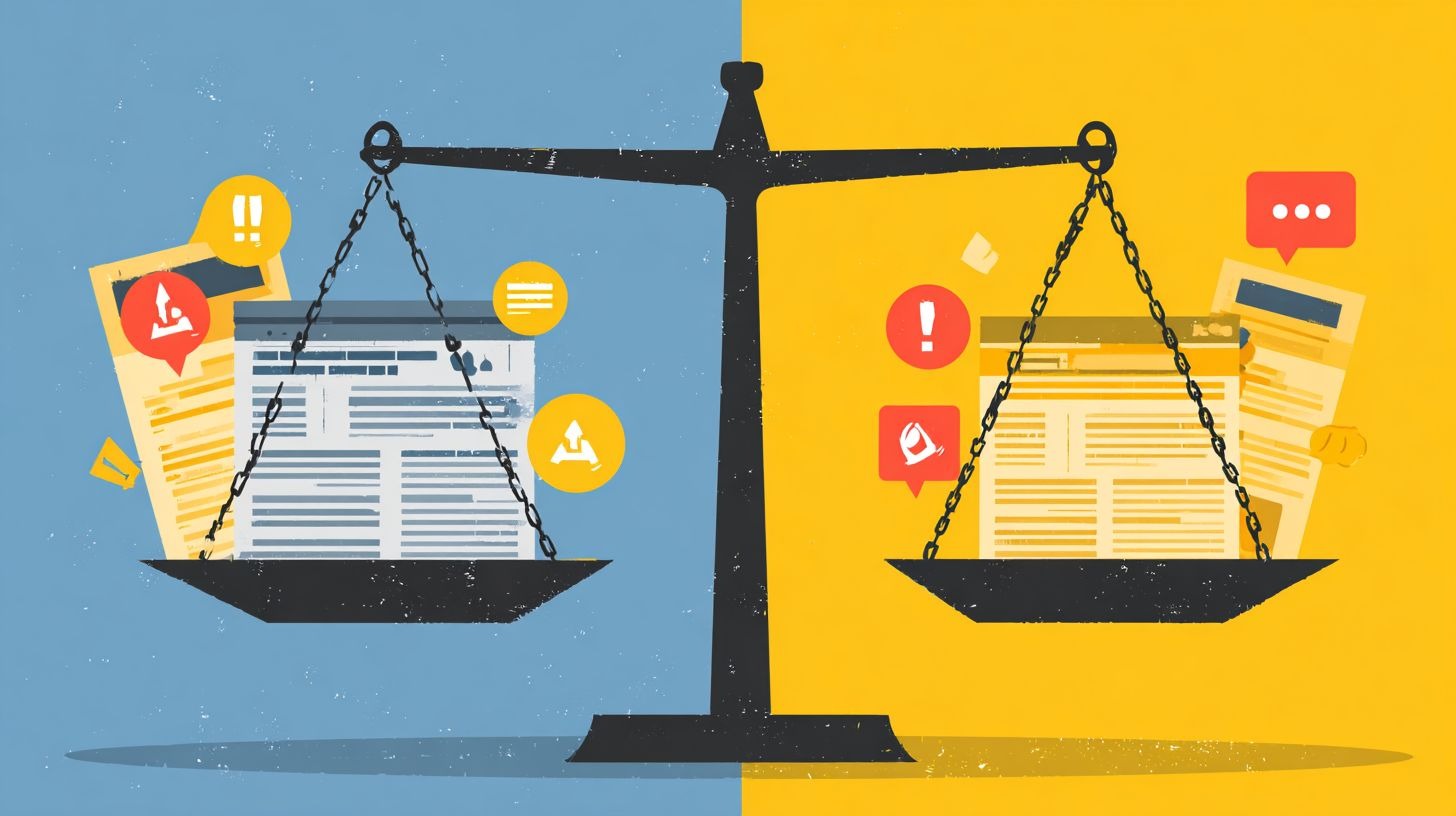
In the competitive world of Press & Authority Media, distinguishing credible sources from forums is crucial for elevating your brand. Discover Authority Media vs Forums: Trust Signals Explained, revealing how editorial standards, fact-checking, and backlinks in authority coverage outperform forum pitfalls. This guide shows how prioritizing press amplifies your PR packages, building unbreakable trust and credibility.
Authority media trust signals refer to credibility indicators from high-profile press outlets that validate a brand’s legitimacy, distinguishing them from user-generated forum content as highlighted in PR support strategies. These signals come from established media with editorial oversight, unlike forums where posts rely on anecdotal experiences. This contrast matters in Authority Media vs Forums: Trust Signals Explained.
Authority media outlets invest in rigorous processes to ensure accuracy and reliability. Forums, by contrast, feature unverified user opinions that lack structure. These trust signals help brands stand out in crowded markets.
Consumers view authority media as reliable sources for information. Including these signals in PR packages builds instant credibility. They play a key role in building consumer trust by signaling third-party endorsement over casual forum chatter.
Brands use these signals to differentiate from forum noise. This approach strengthens PR efforts and positions products as vetted choices. Next, explore specific indicators that define this credibility.
Key indicators include third-party validation through editorial selection, domain authority ratings above 70, and placements in outlets like Forbes or TechCrunch, which forums lack. These markers set authority media apart in Authority Media vs Forums: Trust Signals Explained. They provide actionable value for brands seeking legitimacy.
The editorial vetting process ensures content meets high standards before publication. This process involves multiple reviews, reducing errors common in forums. Brands gain trust from such rigorous checks.
High domain authority scores, like those over 80 for outlets such as the New York Times, signal established online reputation. These scores reflect backlinks from reputable sites. Links from these domains boost a brand’s own visibility.
Other signs include bylined expert authors, fact-checked content, and permanent archiving. Expert bylines add authority, fact-checking builds reliability, and archiving preserves proof of coverage. Forums rarely offer these features.
| Indicator | Example Outlet | Trust Impact |
| Editorial vetting process | New York Times | Ensures accuracy and reduces misinformation risks |
| High DA scores (80+) | Forbes | Improves search rankings and perceived authority |
| Bylined expert authors | TechCrunch | Adds professional endorsement and expertise |
| Fact-checked content | Wall Street Journal | Builds consumer confidence in information |
| Permanent archiving | BBC | Provides lasting proof of validation |
Forums offer community-driven discussions but rank lower in trust due to unverified user content, contrasting sharply with authority media’s professional standards. Authority media relies on editorial oversight and expert verification, building stronger trust signals. Forums, while useful, serve mainly as supplementary tools in PR strategies.
In Authority Media vs Forums: Trust Signals Explained, authority outlets like major news sites provide vetted facts and high domain authority. Forums shine in gathering real-time user feedback but lack the rigor of professional curation. PR teams often use them for insights, not core messaging.
Forums play a supportive role in PR, such as monitoring sentiment or sparking ideas, rather than as primary endorsement platforms. Pairing forum input with authority media amplifies credibility. This balanced approach helps maintain trust without over-relying on user-generated content.
Experts recommend treating forums as listening posts for trends, then validating findings through authority sources. This method ensures PR efforts stay reliable and effective across channels.
Forums suffer from anonymous posting, unmoderated misinformation, and low domain authority, leading to credibility erosion. These issues make them risky for PR reliance. Understanding pitfalls helps teams navigate them wisely.
Key problems include user bias, SEO issues, echo chambers, and impermanence. Each undermines trust in Authority Media vs Forums: Trust Signals Explained. PR professionals must address them with targeted strategies.
Industry surveys indicate many consumers distrust forum advice, so treat it as supplementary. Focus on PR-safe practices like feedback gathering, not direct endorsements, to protect brand trust.
Prioritizing authority media delivers stronger trust signals in PR campaigns by providing verifiable endorsements that forums cannot match. Forums often feature anonymous posts and unverified opinions, while outlets like Forbes or CNN offer editorial oversight. This difference creates a clear edge in building consumer confidence.
Authority media provides an instant credibility boost. A single mention in a top publication signals legitimacy to your audience. For example, brands featuring in Forbes reports often see immediate engagement spikes from readers who trust the source.
The long-term SEO value adds another layer of benefit. Backlinks from high-domain authority sites improve search rankings over time. Forums rarely deliver the same quality links that search engines prioritize.
Stakeholder endorsement rounds out the advantages. Investors and partners view authority media coverage as validation, unlike forum discussions. The Edelman Trust Barometer highlights how trusted media shapes perceptions more reliably than user-generated content. Overall, this approach yields strong returns on PR investments through sustained visibility and trust.
Press coverage from authority media acts as a powerful trust signal through rigorous selection processes that forums cannot replicate. In Authority Media vs Forums: Trust Signals Explained, editorial gatekeeping ensures only vetted stories reach readers. Forums allow open posting with no oversight.
Editors review countless pitches daily, choosing those with strong evidence and public interest. This selection process builds credibility that forum threads lack. A single press mention signals legitimacy to audiences.
Contrast this with forums, where anyone posts without review. Press outlets maintain reputational standards, making their coverage a key asset. Including such mentions in a PR package enhances perceived authority.
Businesses gain trust by earning spots in respected publications. This elevates them above forum discussions. Tease the strict standards ahead for deeper insight.

Authority media enforces multi-layer editorial standards and fact-checking, ensuring high quality versus forums’ variable output. The process starts with pitch review by editors who assess relevance and newsworthiness. Only promising ideas advance.
Next comes source verification, often requiring two or more independent checks. Reporters cross-reference facts with primary documents or experts. This step catches errors early.
Legal teams then ensure compliance with defamation laws and ethical guidelines. Publications avoid risky content through these reviews. Forums skip all this, leading to unchecked claims.
Experts recommend focusing on established newsrooms over unmoderated forums. Research suggests audiences value this rigor. In your PR package, highlight these standards to boost trust signals.
Forums undermine credibility via unchecked negative reviews and misinformation that can spread virally, damaging PR efforts. In Authority Media vs Forums: Trust Signals Explained, the contrast becomes clear when anonymous posts gain traction over verified sources. Brands face rapid reputation hits from unmoderated chatter.
One major issue is troll amplification, where provocative comments dominate discussions. These amplify negativity, drowning out positive voices and eroding public trust. Without intervention, a single thread can spiral into widespread doubt.
Another challenge involves fake reviews that mimic genuine feedback. Users post fabricated stories to sway opinions, making it hard to separate fact from fiction. This blurs trust signals in forum environments.
Finally, algorithmic demotion pushes controversial forum content downward in search results over time. Yet the initial damage lingers, as early viral spreads shape perceptions. Pivoting to authority media helps restore control.
Troll amplification occurs when disruptive users hijack forum threads with sarcasm or attacks. This creates a toxic echo chamber that repels potential customers. Monitor conversations using tools like Brand24 to catch issues early.
For example, a product launch discussion might devolve into memes mocking the brand. Such content spreads quickly, associating the company with ridicule. Proactive alerts allow quick responses to contain the spread.
Solutions include setting up real-time monitoring dashboards. Engage positively or report violations to forum moderators. This shifts focus back to credible narratives.
Fake reviews flood forums, often from competitors or disgruntled individuals. They appear authentic, chipping away at hard-earned trust. Cross-reference with platforms like Trustpilot for verified data to counter this.
Consider a scenario where a service gets buried under “worst experience ever” posts, despite strong real feedback elsewhere. This discrepancy confuses consumers and harms sales. Transparent review aggregation rebuilds confidence.
Experts recommend prioritizing authority media outlets for endorsements. These vetted sources carry more weight than anonymous forum claims. Integrate Trustpilot scores into your own site for clear trust signals.
Algorithmic demotion happens when search engines downrank toxic forum content after virality peaks. The harm, however, stems from that initial exposure wave. Brands see lingering skepticism even as posts fade.
A real-world case saw a brand lose significant trust after a Reddit backlash. Negative threads dominated early searches, shaping opinions before algorithms adjusted. Recovery required heavy authority media outreach.
To combat this, pivot to authority media for controlled messaging. Publish expert articles and press releases that outrank forum noise. This establishes reliable trust signals long-term.
The most effective PR-boosting trust signals from authority media include high-value backlinks and endorsements that amplify package impact. These signals carry more weight than forum mentions because they come from established sources with strong credibility. In Authority Media vs Forums: Trust Signals Explained, authority outlets provide validation that forums often lack.
High-quality backlinks from sites like national newspapers signal trustworthiness to search engines and audiences. Endorsements from journalists or experts add social proof that elevates your brand’s reputation. Forums can spark initial buzz, but they rarely match this level of influence.
Combining these signals creates a powerful PR foundation. Authority media drives long-term visibility, while forums handle community engagement. Focus on signals that align with your goals for maximum effect.
Next, explore specific signals like backlinks and mentions to see their direct impact on PR campaigns.
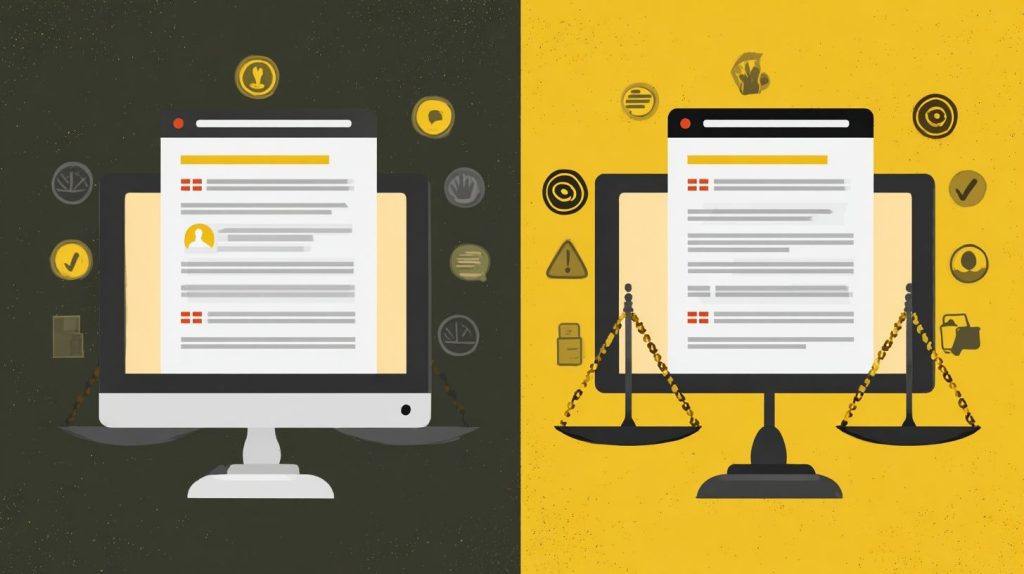
Authority media backlinks (DA 70+), expert mentions, and endorsements drive more referral traffic than forum links. These elements from trusted sources build domain authority and enhance credibility. In Authority Media vs Forums: Trust Signals Explained, they outperform forum discussions in PR value.
| Signal | Source Example | PR Impact | Metrics |
| Backlink | WSJ | Boosts domain rating | 10K visits |
| Mention | Forbes | Increases brand awareness | 5K shares |
| Endorsement | NYT expert | Enhances trust | 20% engagement lift |
Use a hybrid approach for best results. Leverage forums for discovery and initial feedback, then secure authority media for validation. This combination maximizes exposure and credibility.
Here are three actionable steps to secure these signals:
Forums add value for niche feedback and early buzz when paired with authority media, despite lower trust. They shine in specific scenarios where raw, unfiltered input drives real insights. This approach fits into Authority Media vs Forums: Trust Signals Explained by balancing forum energy with credible backing.
In beta testing, forums like Reddit AMAs gather quick user reactions to prototypes. Developers post questions and get honest critiques from enthusiasts. Pair these with authority media coverage later to build trust.
Community building pre-PR uses forums to foster loyalty before official announcements. Share teasers in niche groups to spark discussions and refine messaging. This creates buzz that authority outlets can amplify.
For sentiment analysis, scan forum threads to gauge audience feelings on topics. Identify trends in comments to shape pitches for authority media. Always disclose affiliations and moderate threads for best practices.
Forums excel in beta testing by providing rapid, diverse feedback on early products. A tech startup might host a Reddit AMA to demo a new app feature. Users share bugs and suggestions in real time, far faster than formal channels.
Experts recommend pairing this with authority media validation post-testing. Use forum insights to fix issues, then pitch the improved version to trusted outlets. This turns low-trust input into a high-trust story.
Best practice: disclose affiliations upfront in the AMA thread. Moderate responses to keep discussions focused and civil. Avoid relying on forums alone as a trust signal.
Before public relations pushes, forums help build communities around ideas or products. Post in specialized groups like indie game forums to share concept art and gather enthusiasm. This creates organic advocates.
Transition findings to authority media for credibility. Highlight community excitement in pitches to journalists, showing proven interest. Forums add value here as a pre-launch tool, not a standalone source.
Key advice: moderate threads actively to prevent off-topic noise. Disclose any ties to the project clearly. This maintains transparency in Authority Media vs Forums: Trust Signals Explained.
Use forums for sentiment analysis to spot emerging trends and pain points. Monitor discussions in industry-specific boards to understand user frustrations, like complaints about software glitches. These reveal stories ripe for authority media.
Reference forum buzz when pitching to authority outlets. Journalists value data-backed angles, so summarize key themes without fabricating claims. This positions forums as a discovery tool, not the final trust signal.
Practical steps include disclosing sources in your analysis and moderating any related threads you start. Pair with authority coverage to elevate the narrative effectively.
Authority media directly supports PR packages by providing premium trust signals that elevate package perceived value and client outcomes. These placements in high-profile outlets like Forbes or Business Insider act as powerful endorsements. They set authority media apart from forums in building lasting credibility.
Integrating authority media into PR packages follows clear steps. Start by securing multiple placements to demonstrate reach. Then bundle them effectively for maximum impact.
One PR firm saw real results after landing Forbes features. They gained 50% more clients by highlighting these in their packages. This approach boosted their market position quickly.
Calculate the overall package value for clients. Add the uplift from authority media, which often delivers a 30% increase in perceived worth. This makes PR packages more compelling than forum-based strategies.
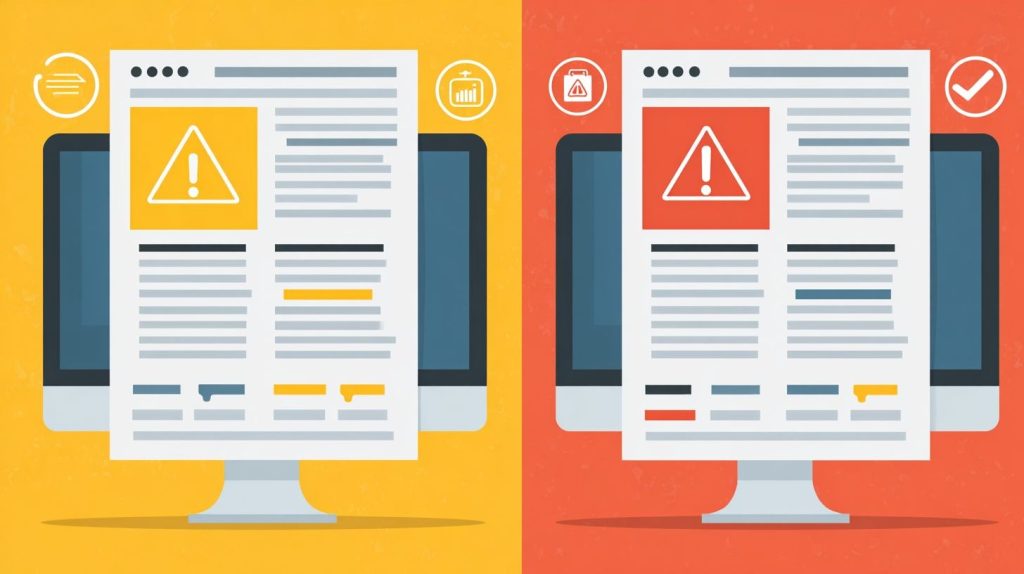
Authority Media vs Forums: Trust Signals Explained refers to the key differences in credibility between established press outlets (authority media) and online forums. Authority media provides verified, professional journalism with editorial oversight, while forums rely on user-generated content that lacks fact-checking. Trust signals like bylines, citations, and publication history make authority media more reliable for PR packages.
In Authority Media vs Forums: Trust Signals Explained, authority media outperforms forums due to rigorous verification processes, expert contributors, and accountability standards. Forums often feature anonymous posts prone to misinformation, whereas authority media’s trust signals-such as awards, traffic metrics, and endorsements-support stronger PR credibility and audience trust.
Authority Media vs Forums: Trust Signals Explained highlights signals like domain authority scores (e.g., DA 70+ for media sites), editorial teams, and third-party verifications for authority media. Forums typically show lower trust via user moderation issues, spam, and lack of expertise, making authority media ideal for PR packages seeking genuine influence.
According to Authority Media vs Forums: Trust Signals Explained, authority media amplifies PR through high-visibility placements and SEO benefits from trusted domains. Forums dilute PR impact with low engagement quality and SEO penalties from unverified content, emphasizing why authority media is the superior choice for building brand trust.
Authority Media vs Forums: Trust Signals Explained notes that while some moderated forums (e.g., Reddit’s top subs) build niche trust, they rarely rival authority media’s institutional backing, fact-checking, and broad reach. For PR packages, authority media’s consistent trust signals ensure long-term reputational gains over forums’ volatility.
To apply Authority Media vs Forums: Trust Signals Explained, check metrics like Moz Domain Authority, historical traffic via SimilarWeb, and journalist credentials for authority media. For forums, review moderation policies and user vetting-ultimately favoring authority media to bolster your PR packages with proven trustworthiness.