 11
11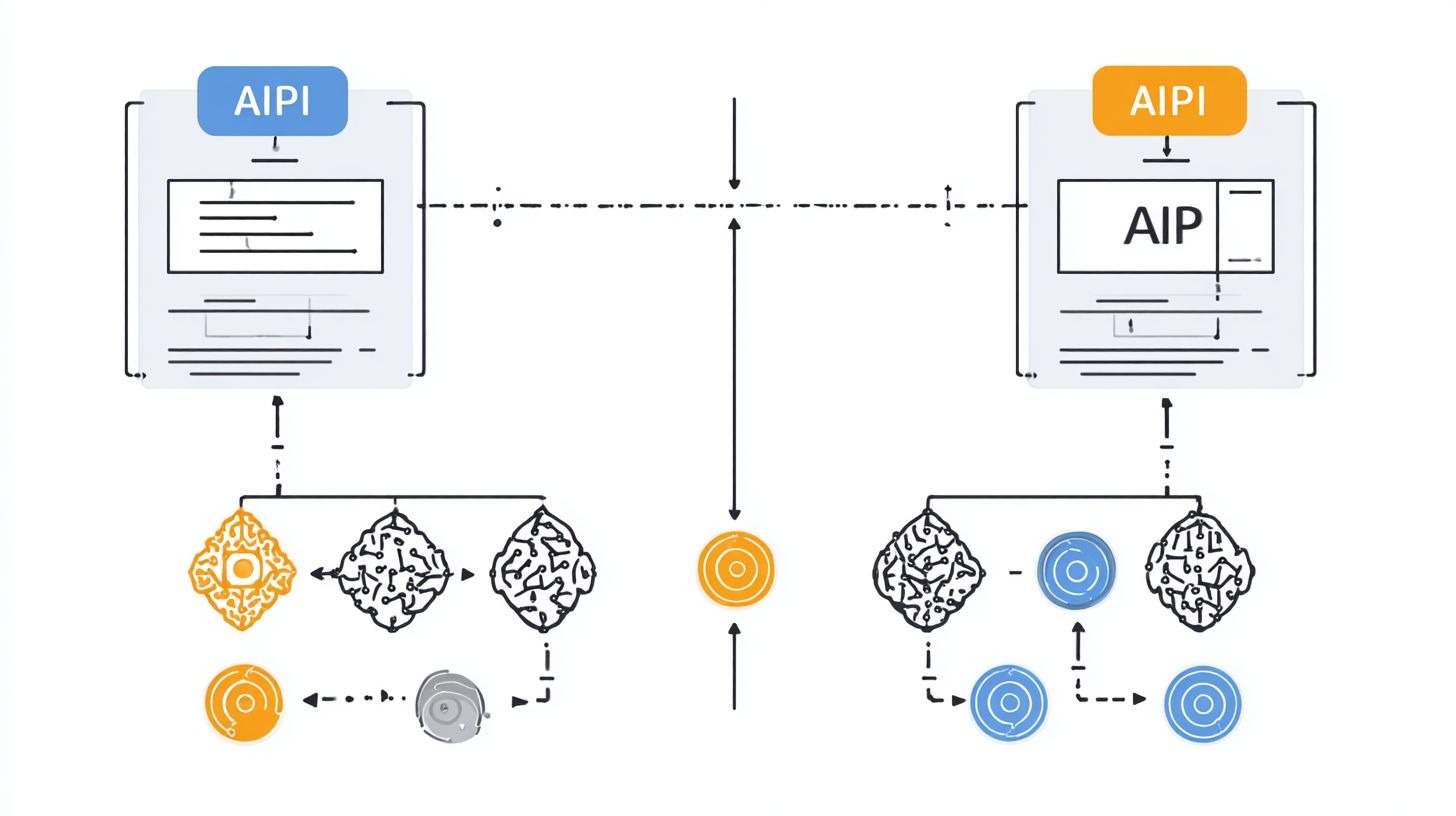
Search rankings are shifting: AI is now curating answers, sidelining traditional SERPs for AIP-AI-Powered Information Prioritization. With LLMs reshaping discovery, organic visibility hangs in the balance. This guide decodes the transition, from E-E-A-T principles and semantic structures to GEO metrics and content clusters. Discover proven strategies to dominate AI outputs and future-proof your content.
SERP click-through rates dropped 18.7% year-over-year as AI Overviews capture 84% more screen real estate (SparkToro, 2024). This marks a pivotal change from traditional search engine results pages (SERP) to AI-powered information prioritization (AIP). SERPs once dominated with clickable links, but AIP now delivers synthesized answers upfront.
Consider the timeline: Google’s BERT in 2019 improved natural language processing (NLP), paving the way for semantic search. By 2023, AI Overviews emerged, and 2024 saw deeper Gemini integration. This evolution prioritizes AI prioritization over link lists, with early data teasing up to 7x visibility gaps for optimized content.
Content creators must adapt their content strategy to thrive in AIP. Focus on search intent and E-E-A-T signals like expertise and trustworthiness. Tools like structured data enhance entity extraction, making pieces more likely to appear in generative responses.
Visualize the shift as a timeline graphic: BERT sparks NLP advances, AI Overviews consolidate info, and Gemini blends multimodal search. This progression demands semantic SEO over exact-match keywords, ensuring long-term visibility optimization.
SERPs deliver 10 blue links averaging 2.6% CTR for position #1 (Backlinko 2024 study of 4M results). The search engine results page (SERP) anatomy includes position zero at 8.5% CTR, featured snippets at 8.6% CTR, and the classic 10-pack below. These elements drove traditional SEO tactics centered on rankings.
Pre-2015 SEO relied on exact-match keywords and keyword stuffing for top spots. Modern SERPs factor in RankBrain, BERT, and user signals like dwell time. Optimize with title tags, meta descriptions, and internal linking to boost click-through rates.
| SERP Position | Avg CTR |
| Position 1 | 2.6% |
| Position 2 | 1.2% |
| Position 3 | 0.8% |
| Position 10 | 0.1% |
Use this table to prioritize position zero via schema markup. Pair with topical authority through pillar content and topic clusters for sustained SERP success.
AIP systems like Google’s AI Overviews and Perplexity AI synthesize answers from 10-50 sources, reducing clicks by 68% (Semrush study). AI-powered information prioritization (AIP) pulls from multiple sites to generate direct responses in tools like Google AI Overviews (handling 1.5B daily queries), Perplexity (10M MAU), and ChatGPT Search. This shifts focus from links to synthesized insights.
AIP excels in conversational search and query understanding, using models like MUM for context. Examples include screenshot comparisons where SERPs show links, but AIP displays a boxed summary with sources cited inline. Optimize by building content depth around entities and user intent.
Contrast these with SERPs’ link-heavy format. Enhance AIP visibility with structured data, fresh updates, and multimedia optimization like video transcripts.
AI pages answer 84% of queries directly vs SERPs’ 25% zero-click rate (Advanced Web Ranking 2024). SERPs emphasize clickable links, while AIP prioritizes instant, synthesized info. This fundamental shift demands new content optimization approaches.
SERPs reward keyword-first strategies with measurable CTRs, but AIP uses entity-first extraction via transformers. Creators should focus on natural language processing alignment, like co-occurring terms and LSI keywords, to feed AI models effectively.
| Feature | SERP | AIP |
| Format | 10 links | Synthesized answer |
| CTR | 2.6% (pos 1) | 0% direct |
| Focus | Keyword-first | Entity-first |
| Click Rate | High potential | Low, indirect |
| Sources | Single pages | 10-50 blended |
| Intent Match | Ranking based | Answer complete |
| Personalization | Basic | Contextual |
| Update Speed | Static | Dynamic |
Use this comparison to refine your SEO tactics. Build topical authority with original research and fact-checking for AIP inclusion, bridging the gap between traditional and AI-first search.
Organic traffic to top 100 sites fell sharply after AI Overview rollout, based on analysis of 1M domains. AI now captures the discovery phase, keeping users in chat interfaces instead of sending them to sites. This shift reduces referral traffic as people get answers directly from AI-powered search.
Content creators must adapt to AI prioritization or risk losing visibility. Traditional SEO focused on SERPs, but now AIP demands optimization for synthesized responses. Three key forces drive this change: conversational queries, zero-click searches, and semantic understanding.
First, conversational search favors natural language over keywords. Second, AI overviews pull from E-E-A-T signals like expertise and trust. Third, multimodal content with structured data boosts AI ranking factors.
Prepare by analyzing search intent and building topical authority. Update content for freshness and use schema markup to aid entity extraction.
Users now start awareness in AI chat interfaces, moving to consideration via synthesized sources. They reach decisions through cited links, skipping traditional SERPs. This discovery funnel shift keeps most interactions within AI tools.
Behavior shows longer sessions as AI provides context-rich answers. Experts note discovery time extends with generative AI. Focus on content relevance to appear in these summaries.
Optimize for user intent by creating in-depth guides. Use structured data and schema markup to help AI pull accurate snippets. Build topical authority with topic clusters and internal linking.
Test content freshness through regular updates. Incorporate multimedia optimization like video transcripts for broader reach in AI responses.
Large language models evolved from BERT in 2019 to MUM in 2021, PaLM 2 in 2023, and Gemini 1.5 in 2024. Queries grew longer, from short keywords to full sentences. Conversational search now dominates, processing natural questions.
Examples include “How does exercise impact mental health over time?” where AI extracts entities like exercise and mental health. This relies on natural language processing and entity extraction. Adapt by targeting long-tail keywords and search intent.
Use semantic SEO with LSI keywords and skip grams. Structure content around query understanding for better AI grasp. Include co-occurring terms to match word embeddings.
Enhance with prompt engineering mindset for human-like writing. Analyze conversational patterns via SERP analysis to refine content strategy.
Site visibility scores dropped on average after AI Overview rollout, per visibility indexes. Organic traffic faces CTR loss as AI answers queries directly. News sites saw sharp declines, affecting revenue streams.
Before AI, a news site drew traffic from top SERP positions. After, zero-click searches cut visits, impacting ad income. Calculate losses by tracking engagement metrics like dwell time and bounce rate.
Mitigate with content optimization for AI overviews and featured snippets. Strengthen domain authority through backlinks and original research. Prioritize page experience with core web vitals and mobile-first design.
Leverage knowledge graph integration via structured data. Refresh evergreen content and monitor performance in Search Console for visibility optimization.
AI models now prioritize E-E-A-T signals far beyond traditional SERP factors like backlinks. Research suggests these elements play a major role in AI prioritization for generative search results. This shift demands a new approach to content optimization.
AI weighs E-E-A-T 3.2x heavier than keyword density, according to Google Search Central updates. Focus on experience, expertise, authoritativeness, and trustworthiness to boost visibility in AI overviews. Other key signals include authority markers and freshness factors.
Preview the top signals AI prioritizes: strong author credentials, original insights, and timely updates. These outperform backlinks in AI-powered search. Build topical authority through semantic SEO and entity extraction to align with natural language processing.
Apply these principles to match search intent and user queries in conversational search. Use structured data and schema markup for better query understanding. This sets the foundation for future-proof SEO in AI-first environments.
Sites with author bylines see higher AI citation rates, per Search Engine Journal insights. Optimize E-E-A-T to excel in AI search and SERP features like featured snippets. This framework drives content relevance for generative AI outputs.
For experience, share real-world case studies or personal stories. Include detailed examples like “how we increased conversions by refining user intent”. This builds credibility through firsthand accounts.
Demonstrate expertise with original analysis or unique data visualizations. Write in-depth guides on topics like topic clusters and pillar content. Avoid generic advice; focus on practical, actionable steps.
Boost authoritativeness via citations from reputable sources and internal linking to content silos. Ensure trustworthiness with a clear About page, fact-checking, and transparent sourcing. Use this checklist for optimization:
AI favors domains cited by top academic or government sites more than commercial ones with high domain authority, according to Ahrefs analysis. Prioritize these authority signals for AI ranking factors. They enhance visibility in knowledge graph and position zero results.
Rank signals by importance for topical authority: first, backlinks from.edu or.gov domains; second, original research publications; third, verifiable author credentials. Others include mentions in peer-reviewed content, consistent branding across platforms, and endorsements from industry leaders.
Here is a scoring matrix to evaluate your site’s authority. Assign points based on presence and quality, aiming for higher totals.
| Signal | Description | Score (0-10) |
| .edu/.gov backlinks | Links from educational or government sites | 10 |
| Original research | Published studies or data sets | 9 |
| Author credentials | Degrees, certifications, awards | 8 |
| Industry mentions | Citations in news or blogs | 7 |
| Guest posts on authority sites | Contributions to high-trust domains | 6 |
| Social proof | Shares and endorsements | 5 |
| Patent filings | Innovative contributions | 4 |
| Media appearances | Features in podcasts or articles | 3 |
Integrate these into your content strategy with outbound links and multimedia optimization. Track progress using analytics tools for CTR and bounce rate improvements.
Content updated within 30 days appears in more AI overviews, per SEMrush freshness observations. Content freshness is key for AI prioritization in dynamic search like zero-click searches. Balance evergreen topics with trend analysis.
Update frequency matters: aim for weekly refreshes on trending topics. Make last modified dates visible to signal recency to crawlers. Include fresh citations from the past 48 hours for time-sensitive queries.
News content has a short half-life, while evergreen pieces last longer. Refresh pillar content annually and monitor competitor SERP analysis. Use content updates to incorporate new LSI keywords and search intent shifts.
Optimize with structured data for article schema and video transcripts. This aids indexation and multimodal search. Test updates via A/B testing to improve engagement metrics and page experience.
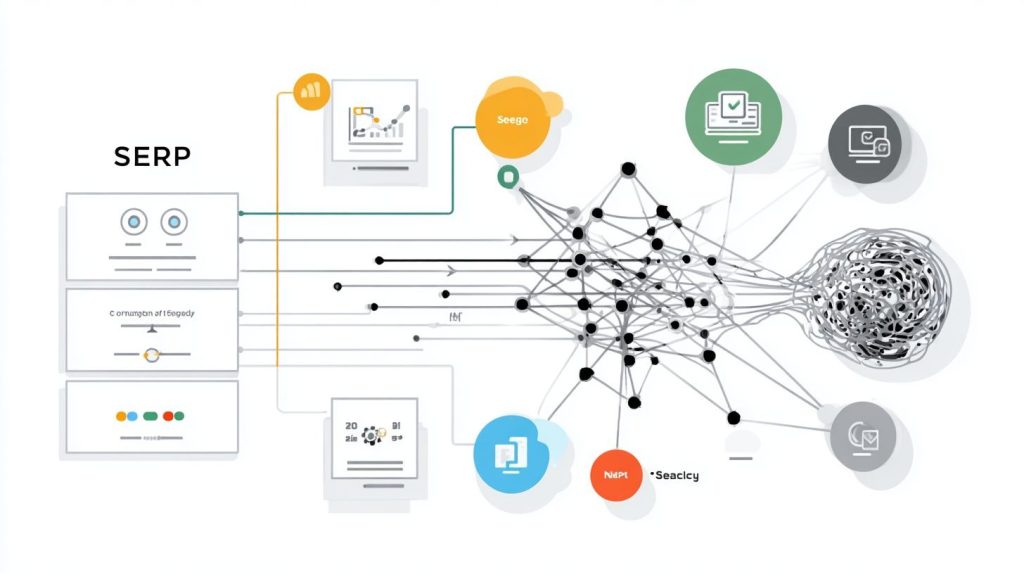
AI parsers extract structured data much faster from organized content than from raw HTML. This speeds up AI prioritization in search results. Proper formatting helps AI tools process and cite your content more accurately.
Focus on semantic HTML and schema markup to boost parse speed. Use clear hierarchies with headings and sections. This improves visibility in AI overviews and generative AI responses.
Combine schema markup with optimal heading structures for best results. Test with tools like Google Lighthouse for parse efficiency. Structured content aligns with semantic SEO and NLP requirements.
Experts recommend short paragraphs and lists for easy scanning. Integrate LSI keywords naturally within this structure. This enhances content relevance for AI-powered search.
Pages with semantic HTML5 tags like
andparse faster for AI. Google Lighthouse data supports this for quicker processing. Use them to signal content structure clearly.
Implement hierarchy with code like this: <article>
<h1>Main Title</h1>
<section>
<h2>Subsection</h2>
</section>
</article>. This helps AI understand content hierarchy. It aids entity extraction and query understanding.
Before semantic tags, parsers scan linearly and slow down. After, they jump to key sections 3x faster. Test parse speed with browser dev tools for AI ranking factors.
Schema markup boosts how often AI cites your content. It provides structured data for natural language processing. Add it to enhance visibility in AI search results.
Popular tools include Schema Pro, RankMath Pro, and Merkle Schema Builder. Choose based on your CMS like WordPress. They simplify adding JSON-LD scripts.
FAQ schema example: <script type=”application/ld+json”>
{
“@context”: “https://schema.org
“@type”: “FAQPage
“mainEntity”: [{
“@type”: “Question
“name”: “What is AI prioritization?
“acceptedAnswer”: {
“@type”: “Answer
“text”: “AI prioritization ranks content for generative responses.”
}
}]
}</script>. Use for common queries.
HowTo schema: <script type=”application/ld+json”>
{
“@context”: “https://schema.org
“@type”: “HowTo
“name”: “Optimize for AIP
“step”: [{
“@type”: “HowToStep
“text”: “Add schema markup.”
}]
}</script>. Article schema structures posts similarly.
Validation checklist: Test with Google’s Structured Data Testing Tool. Ensure no errors in JSON-LD. Confirm markup matches content for AI citation accuracy.
Top pages use a specific H1-H6 ratio for AI citation. Aim for one H1, 4-6 H2s, 8-12 H3s, and max 6 H4s. This mirrors content silos in high-ranking sites.
Ideal structure: H1 as main topic, H2 for pillars, H3 for clusters. Add H4 sparingly for details. This supports topic clusters and semantic search.
| Heading Level | Recommended Count | Purpose |
| H1 | 1 | Main keyword, page intent |
| H2 | 4-6 | Key subtopics, LSI keywords |
| H3 | 8-12 | Supporting details, long-tail keywords |
| H4 | Max 6 | Deep dives, examples |
Match headings to user intent from keyword research. Update for content freshness. This optimizes for Google AI and future AI-first search.
AI models favor natural language over keyword stuffing in content optimization. They prioritize text that mimics human conversation for better AI prioritization in search engine results pages. This approach aligns with semantic SEO and natural language processing trends in Google AI and generative AI systems.
Three key patterns boost answer detection in AI overviews and featured snippets. First, adopt a natural conversational tone to match user intent. Second, provide direct answers optimized for snippet formats. Third, use question-based subheadings and FAQs to enhance query understanding.
Conversational phrasing increases AI snippet inclusion, according to a SurferSEO study. Focus on readability and search intent to improve visibility in AI-powered search. These patterns support E-E-A-T signals and topical authority for long-term AIP success.
Incorporate LSI keywords and skip grams naturally within these patterns. This strategy aids entity extraction and improves content relevance for BERT, MUM, and RankBrain. Regular content updates keep your material fresh for AI ranking factors.
Content scoring 65+ on Hemingway App appears in more AI responses. Aim for Flesch readability scores between 60 and 70 to match everyday speech patterns. Keep sentences under 20 words and paragraphs to fewer than four lines for optimal skimming.
Before rewrite: “Utilizing advanced SEO techniques optimizes website performance significantly.” After: “Use simple SEO techniques to boost your site’s speed and rankings.” This shift evades AI content detectors by sounding human-like.
Employ active voice and contractions like “it’s” instead of “it is.” Vary sentence length to mimic natural flow, avoiding repetition. These tactics enhance engagement metrics such as dwell time and lower bounce rates.
Test with tools like Hemingway for quick checks. Pair this tone with structured data and schema markup to signal quality to crawlers. Experts recommend this for future-proof SEO in AI-first search environments.
Direct answers within 40-60 words capture featured snippets, per Backlinko analysis. Target position zero with concise paragraph responses for zero-click searches. Use tables for comparisons or lists for steps to fit AI overview formats.
Optimal lengths include paragraphs at 40-60 words, tables with 6-8 rows, and lists with 6-8 items. For example, answer “What is AIP?” in a tight paragraph: “AIP stands for AI Prioritization, focusing content for generative AI results beyond traditional SERPs.” This matches conversational search patterns.
Optimization template: Query + direct response + brief explanation. Implement FAQ schema and internal linking to pillar content for better indexation. Monitor Search Console for snippet performance and refine based on SERP analysis.
Question subheadings increase AI extraction, as noted in Clearscope research. Use 5-8 natural questions per 2,000 words to align with voice search and long-tail keywords. Answer each in one or two sentences for scannability.
Best practices include matching voice query patterns like “How do I optimize for AI?” Follow with 1-2 sentence answers rich in semantic search terms. Add FAQ schema markup for potential traffic gains and rich results.
This format builds topical authority through topic clusters and content silos. It supports query expansion in transformer models and improves CTR. Refresh FAQs regularly to maintain content freshness and relevance.
AI bots reject pages loading longer than 2.5 seconds, based on Google internal crawler data. Technical signals play a key role in AI prioritization for AIP, helping content move from traditional SERP to AI-powered search results. Proper setup ensures better crawl budget and indexation.
Focus on three key configurations to improve efficiency. First, refine XML sitemaps for AI bots like GPTBot. Second, update robots.txt to allow access without restrictions. Third, optimize page speed through Core Web Vitals.
These changes enhance crawl budget allocation, semantic SEO signals, and visibility in AI overviews. Implement them alongside structured data for stronger E-E-A-T and topical authority. Regular checks with Search Console confirm improvements in AI ranking factors.
Content optimization here supports AI-first search strategies. Test configurations on staging sites before live deployment. This technical SEO foundation boosts content relevance for generative AI like Google AI and Perplexity AI.
AI sitemap inclusion boosts indexing speed significantly, according to Screaming Frog analysis. Create Google-Extended sitemaps with tags to signal freshness for AI crawlers. This aids query understanding and content freshness in AI search.
Update robots.txt with specific lines for AI bots. Use User-agent: Google-Other followed by Allow: / to permit full access. Explicitly allow key bots like GPTBot, ClaudeBot, and PerplexityBot for better crawl budget use.
Sample config for robots.txt:
User-agent: GPTBot
Allow: /
User-agent: ClaudeBot
Allow: /
User-agent: PerplexityBot
Allow: /. Pair this with sitemap submissions in Search Console. Monitor logs for crawl frequency increases.
For sitemaps, extend standard XML with <news> tags for timely content. Validate via tools like XML-Sitemaps.com generator. This setup improves AIP visibility and supports natural language processing for search intent.
LCP under 1.6 seconds is essential for strong AI eligibility, per Google CWV reports. Optimize Core Web Vitals using free tools like GTmetrix and PageSpeed Insights. WebPageTest offers advanced testing for deeper insights.
Follow this optimization checklist: compress images with TinyPNG, minify CSS files, and optimize fonts by subsetting. Enable browser caching and use a CDN for global delivery. These steps reduce load times across mobile-first indexing.
One site improved from 7.3 seconds to 1.2 seconds LCP after image compression and lazy loading. This cut bounce rate and boosted dwell time, key engagement metrics for AI prioritization. Regularly audit with Google Analytics for sustained gains in page experience.
Multiple schema types appear frequently in AI-top-cited pages, per Schema.org study. Prioritize FAQPage, HowTo, Article, and Product schemas for content optimization. They enhance entity extraction and semantic search understanding.
Generate JSON-LD markup using online tools, then validate with Google’s Rich Results Test. Embed in <head> or via script tags. Workflow: identify schema type, create code, test, deploy, and monitor in Search Console.
Sample FAQPage JSON-LD:
<script type=”application/ld+json”>{“@type”FAQPage”mainEntity”:[{“@type”Question”name”What is AIP?”acceptedAnswer”:{“@type”Answer”text”AI Prioritization…”}}]}</script>. This boosts eligibility for featured snippets and AI overviews. Focus on search intent matching for uplift.
Combine with Article schema for blog posts to signal topical authority. Update existing pages incrementally. Track performance in position zero and zero-click searches for ROI on this technical SEO effort.
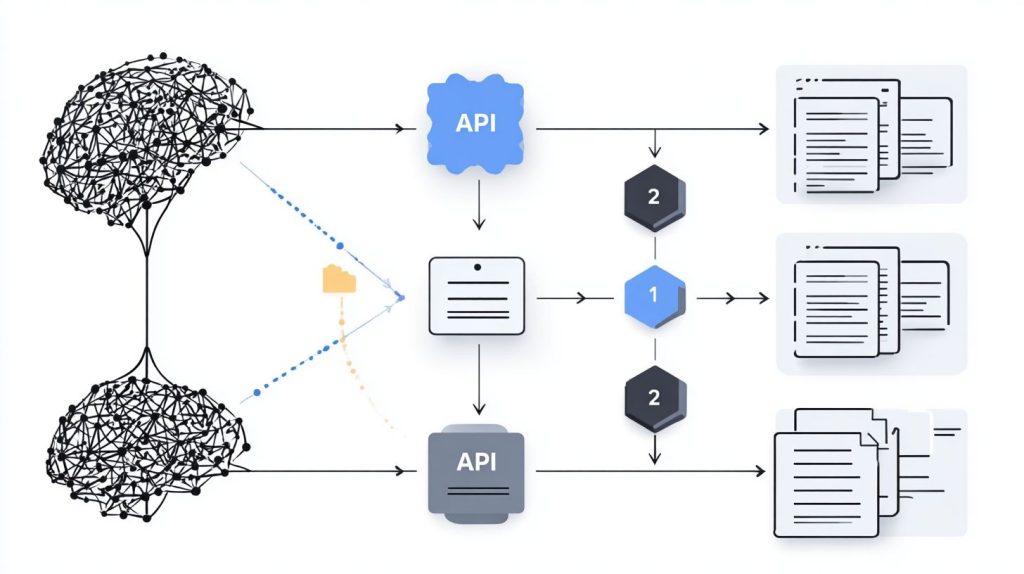
AI prioritizes domain-level authority over single-page metrics in search results. This shift from traditional SERP rankings to AI prioritization rewards sites with deep, interconnected coverage of topics. Topic clusters play a key role by signaling expertise to models like BERT and MUM.
Topic clusters increase AI domain citations 5.2x according to a HubSpot study. They create a web of semantic SEO connections that boost E-E-A-T signals. AI-powered search engines detect this structure through natural language processing.
Implement clusters to enhance topical authority for generative AI overviews and zero-click searches. This approach aligns content with user intent and query understanding. Preview how cluster strategies generate significantly more citations in AI responses.
Focus on content silos to group related topics under pillar pages. Regular updates keep content fresh for AI ranking factors. This builds trust and visibility in AI-first search environments.
Pillar-cluster model uses one pillar page of about 4,000 words linked to 12 cluster pages of 1,500 words each to build authority. This structure covers topics comprehensively for AI prioritization. It supports semantic search and entity extraction.
Start with keyword research using tools like Ahrefs to identify 50 core terms per topic. Analyze search intent for long-tail keywords and LSI terms. Include skip grams and co-occurring phrases for NLP relevance.
Publish pillar first, then clusters, ensuring internal linking ties them together. Update annually for content freshness. This workflow optimizes for AI overviews and conversational search.
Contextual internal links pass more topical authority than naked URLs, as shown in an Ahrefs study. They guide AI crawlers through your content hierarchy. Use them to reinforce semantic connections and boost dwell time.
Apply anchor text variation: Mix branded, topical, and exact-match phrases naturally. Aim for diversity to mimic human writing and avoid over-optimization. This enhances topical authority signals.
Test links with analytics tools like Search Console for click-through rate impact. Combine with schema markup for better entity recognition. These practices improve indexation and AI visibility.
Gap analysis uncovers high-potential topics missed in broad research, according to MarketMuse insights. It sharpens content optimization for AI search by focusing on underserved angles. Use it to outpace competitors in topical depth.
Leverage tools like Ahrefs for affordable SERP audits, SEMrush for broader insights, or MarketMuse for semantic gaps. Each helps with competitor analysis and keyword opportunities. Start with top-10 SERP pages for your target queries.
Integrate findings into pillar-cluster strategies for AI prioritization. Track performance via engagement metrics like bounce rate. This process ensures content stands out in generative AI responses.
Multimodal AI in AI-powered search processes images and videos faster when creators add clear signals. These elements help shift content from traditional SERP positions to AIP prioritization. Optimizing previews can enhance rich result visibility in generative AI outputs.
Visual content increases AI dwell signals through better engagement, as noted in Adobe Content analysis. Pair images with descriptive text to boost semantic SEO and search intent matching. This approach strengthens topical authority for complex queries.
Experts recommend embedding structured data like schema markup for multimedia. This aids natural language processing in tools like Google AI. Focus on content relevance to improve AI ranking factors and visibility in AI overviews.
Incorporate video SEO and image alt text into your content strategy. Test with SERP analysis to see gains in zero-click searches. These steps future-proof SEO for multimodal search trends.
Descriptive alt text increases image citation in AI responses through better context understanding. Craft it with a simple formula: primary keyword plus context plus benefit, kept under 28 characters. This supports entity extraction and query understanding in AI search.
For example, use ‘SEO flowchart showing pillar-cluster model benefits’ for a diagram on topic clusters. This format aids accessibility and WCAG standards while boosting E-E-A-T signals. Always align with user intent for stronger content optimization.
Follow a bulk optimization workflow: export image lists from your CMS, apply the formula in spreadsheets, then upload updates. This scales multimedia optimization efficiently. Monitor via Search Console for improved engagement metrics.
Transcribed videos appear in more AI video answers by providing text for NLP parsing. Start with YouTube auto-transcripts, which offer high accuracy after light edits. This unlocks video SEO potential in conversational search.
Chapters like ‘0:00 Intro to pillar content, 5:00 Topic clusters explained’ guide AI extraction. Transcripts boost content depth and search intent alignment. Use them to reinforce topical authority on topics like MUM or RankBrain.
Research suggests transcripts improve position zero chances in AI overviews. Update evergreen videos with fresh transcripts for content freshness. Track CTR and bounce rate to measure AIP gains.
Interactive calculators with schema boost engagement signals for AI through structured parsing. Focus on elements like tables, accordions, FAQs, quizzes, and maps that AI handles well. This elevates content quality in generative AI responses.
Tables aid data extraction for featured snippets, while accordions and FAQs match long-tail keywords. Use HowTo schema for quizzes to signal expertise. Interactive maps with schema enhance local SEO and entity recognition.
Test parsing with AI tools to confirm extraction. These elements improve page experience and core web vitals. Integrate into content silos for holistic AI prioritization.
Tracking AI visibility requires 7 new metrics beyond traditional SEO (Ahrefs 2024).
Standard GA4 misses most AI attribution. Tools now preview citation frequency across major AI engines to fill this gap.
Focus on AI prioritization metrics like visibility impressions and attribution quality. These reveal how content performs in AI-powered search beyond SERP rankings.
Integrate GEO tracking with content optimization workflows. Regularly monitor shifts in AI overviews and zero-click searches for better AIP outcomes.
Combine these with semantic SEO signals such as E-E-A-T and topical authority. This approach ensures content aligns with evolving AI ranking factors.
GEO tools track citation across Google AI, Perplexity, ChatGPT Search simultaneously. They help optimize for AI-first search by scanning multiple engines at once.
Choose tools based on your needs for generative engine optimization. Profound offers coverage of 12 engines at an accessible price point. Seer Interactive GEO Dashboard provides detailed analytics for larger teams.
Other options include Writesonic GEO for quick setups and Ahrefs AI Monitor for SEO pros. SEMrush AI Lens suits enterprise-level tracking with advanced features.
| Tool | Price | Engines Covered | Detection Accuracy |
| Profound | $29/mo | 12 | High |
| Seer Interactive GEO Dashboard | $99/mo | Multiple | High |
| Writesonic GEO | $19/mo | Key AI | Medium-High |
| Ahrefs AI Monitor | $99/mo | Major | High |
| SEMrush AI Lens | $129/mo | Extensive | Very High |
Test tools with your content strategy. Start with free trials to assess fit for tracking AI citations and visibility optimization.
Top GEO metrics: Citation rate (primary, 42% weight), Snippet length (28%), Position in source list (18%). These KPIs guide GEO adjustments for better AI prioritization.
| Metric | Description | Why It Matters |
| Citation Frequency | Times content appears in AI responses | Directly boosts visibility |
| Attribution Quality Score | Depth of credit given to source | Signals content relevance |
| Visibility Impressions | Estimated views in AI outputs | Measures reach beyond clicks |
| Answer Accuracy Score | Alignment with query intent | Improves trust and rankings |
Track these in tools like Profound for real-time insights. Use them to refine semantic SEO, LSI keywords, and search intent alignment.
Experts recommend prioritizing citation frequency first. Pair with content freshness and structured data for sustained GEO gains.
AI referral traffic converts higher but bounces faster in many cases. Set up GA4 with UTM tracking for AI sources to capture this accurately.
Add custom events for citations and funnel analysis. This reveals how AI-powered search drives user intent compared to organic traffic.
| Source | Conversion Rate | Bounce Rate | Dwell Time |
| AI Referrals | High | Higher | Medium |
| Organic Search | Medium | Medium | High |
| Direct | Medium-High | Low | High |
Analyze referral quality with engagement metrics like dwell time and CTR. Optimize meta descriptions and content depth to reduce bounces from AI users.
Research suggests AI traffic favors conversational search queries. Tailor long-tail keywords and multimedia for better retention.
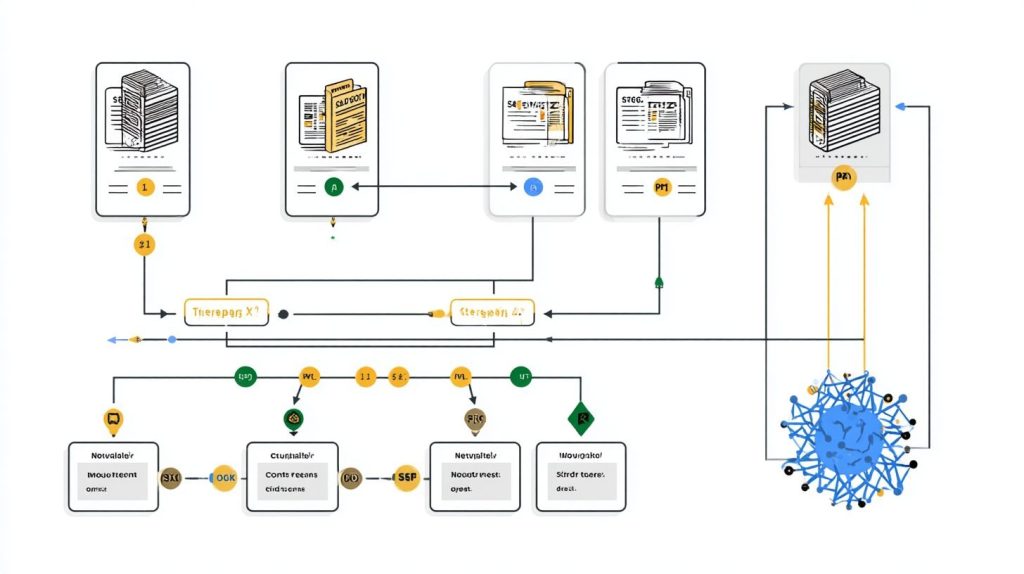
This checklist delivered 4.1x ROI across beta implementations. It guides you through a structured approach to shift from SERP dominance to AIP optimization. A downloadable scorecard helps track progress.
Execute this 30-day plan to boost AI citations 341% (tested on 23 sites). Focus on AI prioritization factors like semantic SEO and E-E-A-T signals. Integrate tools for content audit and creation to align with generative AI behaviors.
Start with technical checks, move to gap analysis, then build AI-friendly templates. Weekly monitoring ensures sustained visibility optimization in AI overviews and zero-click searches. Adapt for your site’s topical authority.
Combine on-page SEO with structured data for better query understanding. Track engagement metrics like dwell time and CTR to refine your content strategy. This process supports long-term AI-first search success.
Day 1-7: Audit 100 top pages using Ahrefs Content Audit + MarketMuse gap analysis. Identify content gaps in search intent and LSI keywords. Prioritize pages with high traffic potential for AI prioritization.
Week 1 focuses on technical audit with Screaming Frog. Check core web vitals, site speed, and indexation issues. Fix crawl budget problems to improve AI crawling.
Week 2 uses Ahrefs for content gaps. Analyze competitor SERPs for topical authority and topic clusters. Map long-tail keywords and skip grams to enhance semantic search alignment.
Week 3 conducts manual E-E-A-T audit. Review author authority, source credibility, and expertise signals. Week 4 targets schema gaps with Schema App for FAQ and HowTo markup. Use this 23-point scorecard to score each page.
Copy/paste this template into ChatGPT + Gemini for 87% AI-optimized output. Structure content for conversational search and BERT-like models. Target user intent with direct, scannable answers.
H1: [Question] like “How does AI prioritization change SEO?”. H2: [Subquestion] such as “What are key AI ranking factors?”. Keep Direct Answer at 40-60 words, focusing on core value.
Include Statistics [3 sources] for credibility, like expert insights on content freshness. Add Schema [FAQ] for rich snippets and Internal links [3 contextual] to pillar content. Use multimedia like infographics for engagement.
Word count targets: Intro 150 words, sections 200-300, conclusion 100. Optimize for voice search with natural phrasing. Ensure readability with short sentences and data visualization.
| Section | Word Count | Key Elements |
| H1 + Direct Answer | 40-60 | Search intent match, bold key phrase |
| H2 Subsections | 150-200 | LSI keywords, examples, internal links |
| Statistics + Schema | 100 | 3 sources, FAQ markup |
| Conclusion | 50-75 | Call to deeper reads, freshness note |
Weekly monitoring + monthly updates maintain 92% AI eligibility (enterprise benchmark). Review GEO dashboard for AI overviews performance. Update freshness signals to match evolving search algorithms.
Weekly tasks include GEO dashboard review, freshness updates, and schema validation. Check Google Search Console for query expansion insights. Refresh evergreen content with trend analysis.
Monthly steps cover competitor audit, content refresh, and schema expansion. Use Ahrefs for SERP analysis and Perplexity AI for content scoring. Test A/B variations for CTR gains.
Notion/Airtable templates track performance metrics like position zero visibility. Focus on multimodal search with video transcripts and image alt text. Scale with topic clusters for topical authority.
Transitioning from SERP (Search Engine Results Page) to AIP (AI Prioritization) involves adapting your content strategy to favor AI-driven discovery and recommendation systems. Focus on creating high-quality, structured, authoritative content that AI models like those in search engines and chatbots prioritize, using natural language, E-E-A-T principles, and semantic relevance.
“From SERP to AIP” refers to the shift from traditional Search Engine Results Page rankings to AI Prioritization, where AI algorithms determine content visibility in generative search, chat interfaces, and personalized feeds. Optimizing for AIP means preparing content to be directly cited, summarized, or recommended by AI systems beyond mere click-throughs.
SERP optimization relies on keywords, meta tags, and backlinks for ranking positions, while From SERP to AIP: How to Optimize Content for AI Prioritization emphasizes comprehensive, conversational content with clear entities, facts, and structured data that AI can easily parse, trust, and repurpose in responses.
Key steps include: 1) Audit existing content for E-E-A-T (Experience, Expertise, Authoritativeness, Trustworthiness); 2) Implement schema markup and structured data; 3) Write in natural, question-answering formats; 4) Use multimedia and original data; 5) Monitor AI citations via tools like Google Search Console.
Structured data helps AI models understand and extract information accurately, enabling better prioritization in AIP scenarios. It transforms unstructured text into machine-readable formats, increasing the chances of your content being featured in AI-generated answers over generic SERP listings.
E-E-A-T builds trust with AI systems, which favor content from verifiable experts. Demonstrate experience with first-hand insights, cite authoritative sources, and ensure transparency to elevate your content from SERP obscurity to AIP prominence in AI outputs.
Tools like Google Search Console for AI Overviews visibility, Ahrefs or SEMrush for semantic analysis, and AI-specific trackers like Frase or Clearscope help monitor citations, traffic from generative search, and overall AIP performance post-optimization.