 11
11
A damaging news article or outdated complaint dominates your search results, overshadowing your professional reputation. In the competitive online landscape, this can cost opportunities-yet legitimate SEO strategies offer a proven path to recovery, as validated by Google guidelines and SEMrush studies.
Discover how to identify negative content, implement on-page and technical SEO, create authority-building blogs, secure quality links, amplify via social media and PR, and monitor progress for lasting results.
Negative search results appear when harmful content like bad reviews, defamatory articles, or competitor attacks dominate your branded search terms on Google SERPs.
Consider a Yelp 1-star review ranking number one for ‘John Smith plumber scam’. This single poor rating can overshadow years of good work and deter potential customers.
Another example involves defamatory forum posts from 2015 that remain visible. Even outdated accusations can persist if not addressed through ethical reputation repair.
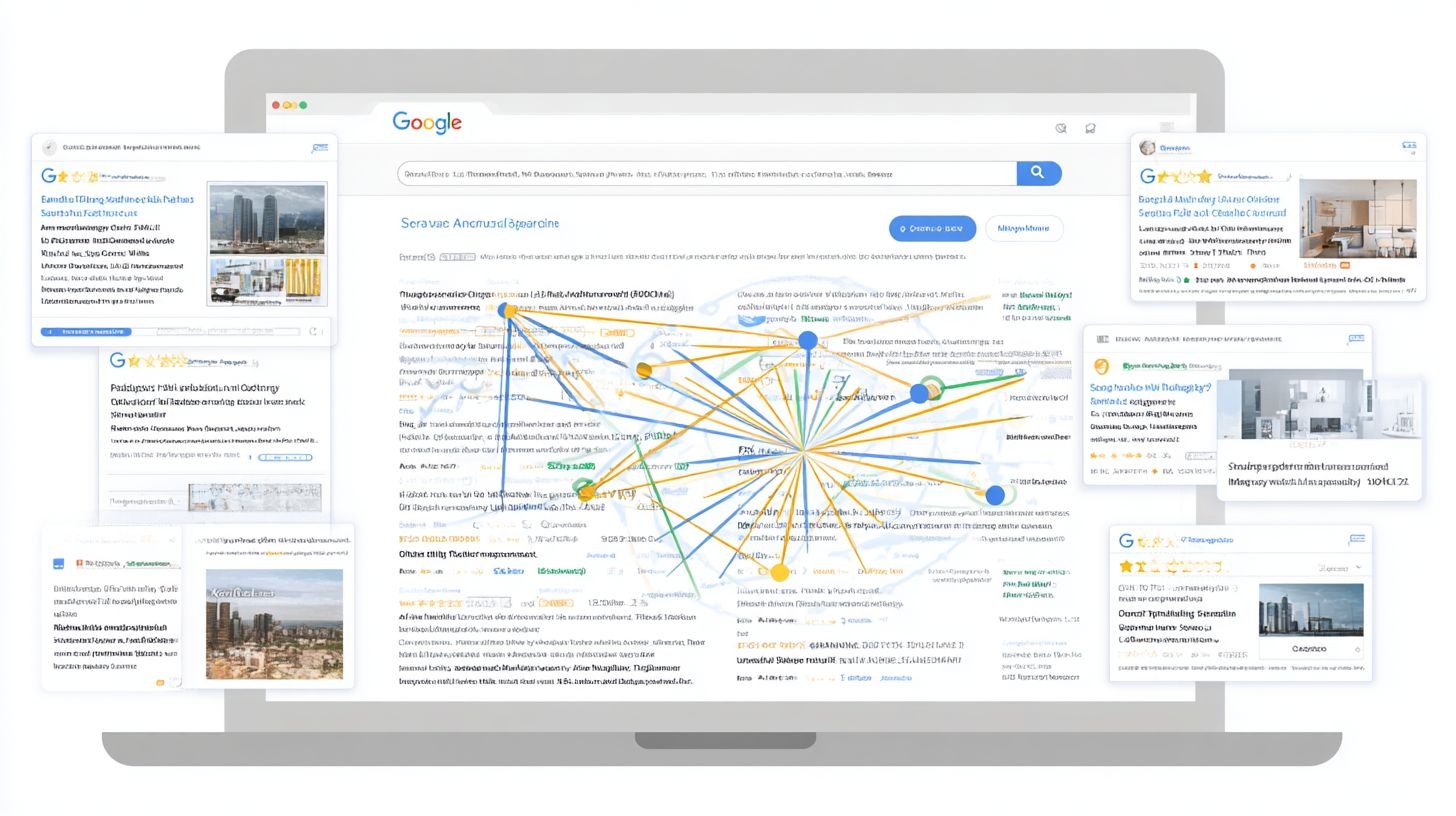
Competitor attack pages often use the site:search operator to target you specifically, like pages mimicking your brand to spread false claims. A typical Google SERP screenshot might show these in the top five spots, pushing positive content down.
Experts recommend monitoring these to start online reputation management. Proactive steps help suppress bad reviews and promote positive content through legitimate SEO strategies.
Use SEMrush Position Tracking to monitor your branded keywords and Ahrefs Content Explorer to identify top negative pages ranking for your name.
Follow this 5-step identification process, which takes about 1-2 hours. Document findings in a simple tracking spreadsheet with columns for URL, rank position, sentiment, and action plan.
This process reveals search result displacement opportunities. Track over time to measure progress in pushing down negative results with positive content promotion.
SEO strategies push negative results down by creating 20-30 high-authority positive pages targeting branded and long-tail keywords. These efforts build first page dominance in Google search results. They promote positive content to displace negative items ethically.
The SEO hierarchy starts with on-page optimization like titles and content, moves to technical fixes such as site speed and mobile readiness, and ends with off-page elements like backlinks. This layered approach supports online reputation management. It ensures your positive pages outrank negative content over time.
Google’s E-E-A-T framework from Search Quality Rater Guidelines emphasizes experience, expertise, authoritativeness, and trustworthiness. Apply it by showcasing customer testimonials and professional bios. The goal is to move negatives from positions 1-3 to 7+ within 90 days through consistent effort.
Track progress with tools like SEMrush position tracking or Ahrefs. Focus on branded search terms and long-tail keywords from keyword research. This creates search result displacement without black hat tactics.
Optimize title tags with branded keywords, such as ‘John Smith Plumbing Services | 500+ 5-Star Reviews’, using Yoast SEO Premium at $99 per year. These changes boost click-through rate from low levels like 2.1% to higher ones like 8.7%. They help push down negative search results effectively.
Create 1,500+ word pillar pages as cornerstone content for topical authority. Use H1 tags with exact brand matches to signal relevance to search engines. Add internal links, aiming for 5-7 per page, to strengthen site architecture.
These tactics support ethical reputation repair by promoting positive pages like blog posts and testimonial pages. Refresh content regularly for freshness signals. Monitor user engagement metrics like dwell time to refine further.
Run Google PageSpeed Insights to fix Core Web Vitals, targeting LCP under 2.5 seconds, FID under 100ms, and CLS under 0.1, using WP Rocket at $59 per year. These improvements enhance mobile-first indexing. They contribute to organic traffic growth and better rankings.
Follow this numbered technical checklist for quick wins that support search visibility.
Experts recommend these fixes for a ranking boost through faster load times and structured data. They aid in outranking negative content by improving crawl efficiency. Combine with on-page efforts for full SERP impact.
Regular audits reveal issues like broken links or slow pages. Tools help maintain Core Web Vitals compliance post-updates like Helpful Content or SpamBrain. This builds long-term site reputation against negative SEO attempts.
Create 15-25 pieces of E-E-A-T content including pillar pages, case studies, and testimonials to establish topical authority. This approach helps push down negative search results through legitimate SEO strategies. Focus on people-first content as emphasized by Google’s Helpful Content Update.
Publish 3-5 pieces weekly across your blog, guest posts, and directories. Aim for content with positive sentiment to promote ethical reputation repair. Use keyword research to target branded search terms and long-tail keywords related to your industry.
Develop pillar pages and cluster content to build site architecture. Incorporate internal linking and schema markup for better visibility in Google search results. Track progress with tools like SEMrush for organic traffic growth.
Encourage user-generated content through testimonials and reviews on platforms like Trustpilot. This boosts E-E-A-T signals such as experience, expertise, authoritativeness, and trustworthiness. Consistent efforts lead to first page dominance over time.
Secure 5-10 guest posts on DA 50+ sites like Forbes Councils and respond to 20 HARO queries monthly. These steps build high authority links essential for online reputation management. Guest posting drives backlink building to outrank negative content.
Follow this action plan: join HARO for free, pitch niche publications, create original research by surveying customers, develop downloadable lead magnets, and secure podcast appearances. Use outreach email templates for efficiency. For example, start emails with a personalized hook like “I noticed your recent article on industry trends”.
Here is a simple outreach template:
Monitor responses and refine pitches. This strategy supports authority building and positive content promotion in SERPs. Combine with PR campaigns for broader impact.

Build 10 cornerstone pages: ‘About Us’, ‘Customer Success Stories’, ‘Industry Awards’ optimized for branded searches. These pages establish topical authority and help suppress bad reviews. Optimize with structured data for rich snippets.
Create a content roadmap with these elements:
Use a content calendar to schedule posts, ensuring freshness signals. For instance, plan weekly blog posts around “best practices for [industry]”. This improves user engagement metrics like dwell time.
Integrate social proof through case studies and awards. Update pages regularly for algorithm favor. These efforts contribute to search result displacement of negative listings ethically.
Acquire 50-100 high-DA backlinks using niche edits ($25-75/link) and resource page outreach to boost domain authority from 2545. This approach strengthens your site’s position in Google search results and helps push down negative search results. High-authority links signal trustworthiness to search engines, supporting legitimate SEO strategies for online reputation management.
Focus on ethical reputation repair by targeting links from relevant sites. These backlinks improve domain authority and promote positive content to outrank negative items. Consistent efforts lead to better SERP positions over time.
Combine link building with content creation like blog posts and press releases. This builds E-E-A-T factors such as experience, expertise, authoritativeness, and trustworthiness. Monitor progress to ensure sustainable growth in organic traffic.
| Method | Cost | DA Gain | Speed | Risk |
| Guest Posts | $200-500 | High | Medium | Low |
| Niche Edits | $50 | Medium-High | Fast | Low |
| Broken Link Building | Free | Medium | Slow | Very Low |
| Resource Pages | Free | Medium | Slow | Very Low |
| PR Mentions | $1,000+ | Very High | Medium | Low |
Start with 20 resource pages, add 10 niche edits monthly, and monitor with Ahrefs ($99/mo). In one case study, a site gained 300% traffic after 75 links. This strategy displaced negative content effectively through steady authority gains.
Use tools like Ahrefs for backlink profile analysis and competitor SERP review. Track anchor text and ensure natural link acquisition. Adjust based on performance to refine your ORM efforts.
Amplify content across 7 platforms (LinkedIn, Twitter, Facebook, Instagram, YouTube, TikTok, Reddit) driving referral traffic. This social media amplification strategy pushes down negative search results by flooding Google search results with positive content. Experts recommend consistent posting to build online reputation management signals.
Start with a 7-platform amplification plan. Claim and optimize all profiles first, then post 5 times per week using Canva graphics for visuals. Run LinkedIn outreach with 50 connections weekly to expand reach.
Create 10 YouTube authority videos focused on your expertise, seed Reddit’s r/industry with 3 posts per week, and use a $200 budget for influencer gifting. Track everything with Buffer Analytics at $15 per month. This approach supports legitimate SEO strategies for ethical reputation repair.
Implement a cross-posting schedule for efficiency: Mondays for LinkedIn and Twitter, Wednesdays for Facebook and Instagram, Fridays for TikTok and Reddit, weekends for YouTube. Aim for engagement benchmarks like 5% like rate and 2% comment rate per post to boost user engagement metrics.
Secure your username across all 7 platforms using consistent branding like your name or business handle. Update bios with keywords, professional photos, and links to your main site. This creates social media profiles that rank in Google search results.
Add verified badges where possible and complete all profile fields. Include calls to action like “Connect for industry insights” on LinkedIn. Optimized profiles act as positive content promotion anchors.
Monitor for impersonators and report them quickly. Fresh profiles signal topical authority to search engines, helping suppress bad reviews over time.
Post 5 times per week with eye-catching Canva graphics tailored to each platform. Share tips, behind-the-scenes stories, or client wins as infographics or quote cards. This builds content volume for SERP displacement.
Vary content: educational posts on Mondays, engaging polls midweek, videos on Fridays. Use platform-specific formats like Reels on Instagram or Threads on Twitter. Consistent graphics improve click-through rate.
Cross-promote by repurposing one core message, such as a blog post summary. Track shares to refine what resonates, supporting search result displacement.
Send 50 connection requests weekly to industry peers, using personalized notes like “Loved your post on X, let’s connect.” Engage by commenting on their content daily. This grows your network for natural link acquisition.
Join relevant groups and share value-driven updates. Aim for endorsements on skills to enhance credibility. LinkedIn ranks highly for branded search terms.
Follow up connections with direct messages offering free resources. This tactic boosts E-E-A-T signals for authority building.
Produce 10 authority videos on topics like “How to handle crisis management” or industry how-tos. Optimize titles, descriptions, and tags with long-tail keywords. Videos help outrank negative content in Google.
Keep videos 8-15 minutes with clear thumbnails from Canva. End with calls to subscribe and visit your site. Promote via other platforms for views.
Transcribe videos for SEO and add end screens with links. Consistent uploads create freshness signals for ongoing ORM.

Seed r/industry subreddits with 3 posts weekly, sharing genuine insights without overt promotion. Use throwaway accounts initially if needed, but build karma ethically. Reddit links can drive high authority links.
Ask questions or share case studies like “What strategies worked for your ORM?”. Respond to comments to foster discussion. This supports forum participation.
Avoid spamming; focus on value. Upvotes improve visibility in searches.
Allocate a $200 budget for gifting products or services to micro-influencers in your niche. Reach out via DM with “Would love your honest review.” Their posts add social proof.
Target influencers with 5k-20k followers for better engagement. Track mentions for backlinks. This aids positive testimonials.
Follow up politely for shares. Authentic endorsements push down negatives ethically.
Use Buffer Analytics at $15 monthly to monitor posts across platforms. Review metrics like reach, engagement, and clicks weekly. Adjust based on top performers.
Set benchmarks: 10% engagement growth monthly. Integrate with Google Analytics for referral traffic insights. This ensures measurable results in reputation repair.
| Platform | Key Metric | Benchmark |
| Connections | 50/week | |
| YouTube | Views | 100/video |
| Upvotes | 10/post | |
| All | Engagement Rate | 5% |
Earn 12-24 media mentions yearly through press releases, HARO, and podcast guesting to secure high-authority news links. These PR tactics help push down negative search results by building positive content on trusted sites. They support legitimate SEO strategies for online reputation management.
Distribute releases via services like BusinessWire at around $400 per release for wide reach. Respond to over 100 HARO opportunities monthly to connect with journalists seeking expert input. This creates natural backlinks that improve Google search results.
Book at least 2 podcasts per month in your niche to gain audio mentions and transcripts. Experts recommend combining these with social shares for better visibility. Consistent efforts lead to first-page dominance over negative content.
Track progress with tools like Google Alerts for brand mentions. Focus on high authority links to outrank negative results ethically. Patience builds long-term topical authority and E-E-A-T signals.
Distribute 1-2 press releases monthly via PR Newswire at about $350 per release announcing awards, partnerships, and milestones. This tactic promotes positive stories to suppress bad reviews in search results. It fits into ethical reputation repair plans.
Follow a clear playbook: first, craft a newsworthy angle using services like EIN Presswire for $99 per release. Target 50 niche journalists through platforms like Cision, which costs around $1,500 monthly. Always include multimedia such as an infographic and short video.
Repurpose the release on your website and follow up with journalists within 48 hours. For example, a charity award announcement often gains pickup from local news outlets. This builds backlinks and aids in search result displacement.
Track SERP positions daily with SEMrush Position Tracking and monitor sentiment with Brand24 ($79/mo). These tools provide real-time insights into negative search results and help measure the impact of your online reputation management efforts. Set up alerts to catch shifts early.
Combine Google Analytics 4 and Search Console for free tracking of organic traffic and branded search performance. Use these to watch user engagement metrics like bounce rate and dwell time on your positive pages. They reveal how well your content pushes down negatives.
Invest in SEMrush or Ahrefs for deeper competitor analysis and backlink profiles, around $200/mo combined. Track brand mentions with Brand24 to gauge sentiment shifts. Define clear KPIs such as negative results position and branded CTR for consistent measurement.
Review progress weekly using a 90-day KPI template. Set alert thresholds, like 3+ negatives on the first page, to trigger escalation in your ORM strategy. This ensures proactive adjustments to maintain first page dominance.
| KPI | Week 1-4 Baseline | Week 5-8 Target | Week 9-12 Goal | Alert Threshold |
| Negative Results Position | Track current top 10 spots | Push below position 8 | Below position 15 | 3+ in top 10 |
| Organic Traffic (+%) | Establish baseline | 10% increase | 25% growth | Drop >5% |
| Branded CTR | Measure initial rate | Improve by 15% | 30% uplift | Fall below 2% |
| Sentiment Score | Assess starting score | Shift to neutral | Positive majority | Negative spike |
Start with a centralized monitoring dashboard using free tools like Google Analytics 4 and Search Console. Link them to visualize Google search results for branded terms and track impressions. Add custom reports for negative content displacement.
Incorporate SEMrush Position Tracking for daily SERP monitoring. Set keywords including long-tail branded searches and watch for negative results climbing. Pair it with Ahrefs for backlink changes that affect domain authority.
Use Brand24 to monitor social mentions and web sentiment in real time. Configure alerts for spikes in negative language around your brand. This setup supports ethical reputation repair without guesswork.
Test your dashboard with a site:yourbrand.com operator search weekly. Adjust widgets for KPIs like CTR and traffic sources. Regular reviews keep your push down strategy on track.
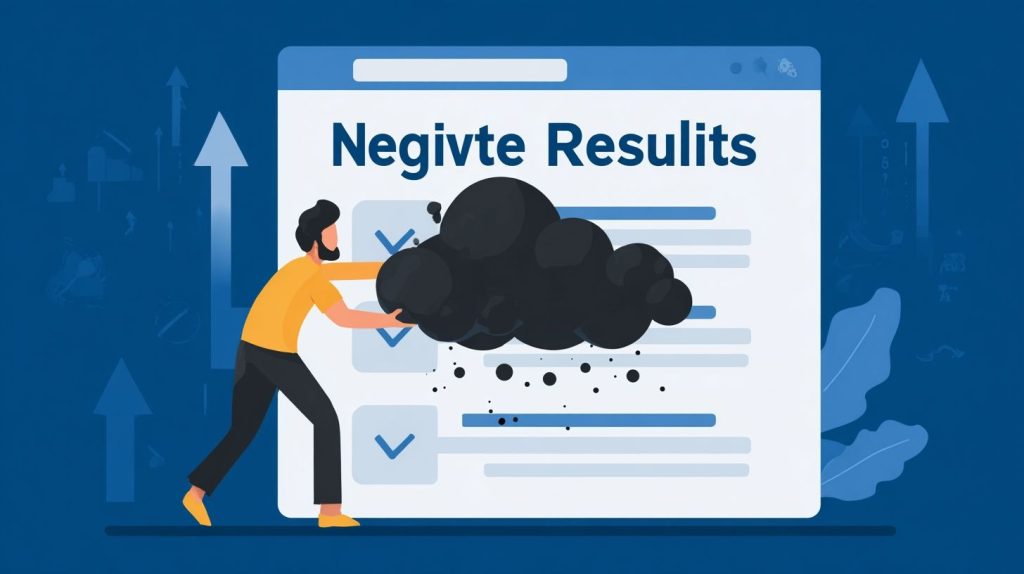
Legitimate ways to push down negative search results involve creating and promoting high-quality, positive content that outranks the unwanted material on search engines like Google. This includes producing original blog posts, articles, videos, and social media profiles optimized with relevant keywords, building backlinks from reputable sites, and encouraging positive reviews on platforms like Google My Business or Yelp. Consistency and ethical SEO practices ensure long-term success without violating search engine guidelines.
Content creation is a cornerstone of legitimate ways to push down negative search results because fresh, authoritative content signals to search engines that your online presence is active and relevant. Publish keyword-optimized articles on your website, guest post on trusted sites, and share videos on YouTube. Over time, these assets gain traction through shares and links, burying negative results on page 2 or beyond where they receive minimal traffic.
SEO optimization is essential in legitimate ways to push down negative search results as it improves your positive content’s visibility. Use tools like Google Keyword Planner to target phrases people search, incorporate them naturally into titles, meta descriptions, and headers, and ensure mobile-friendliness and fast loading speeds. Regular audits with tools like Ahrefs or SEMrush help refine strategies, pushing negatives lower organically.
Yes, optimized social media profiles are powerful in legitimate ways to push down negative search results. Claim and fully complete profiles on LinkedIn, Facebook, Twitter (X), and Instagram with professional photos, bios, and links to your website. Post regularly to build engagement, which boosts domain authority and helps positive profiles dominate the first page of search results for your name or brand.
Backlinks from high-authority sites are crucial in legitimate ways to push down negative search results. Earn them by guest blogging, participating in industry forums, or collaborating with influencers. Avoid paid or spammy links, as they can lead to penalties. Tools like Moz’s Link Explorer track progress, ensuring your positive pages climb rankings while negatives fade.
Legitimate ways to push down negative search results typically take 3-6 months to show significant impact, depending on competition and your starting point. Initial efforts focus on content volume and optimization, with results accelerating as search engines crawl and index new material. Monitor with Google Search Console and be patient-sustainable strategies outperform quick fixes and avoid risks like algorithm penalties.