 11
11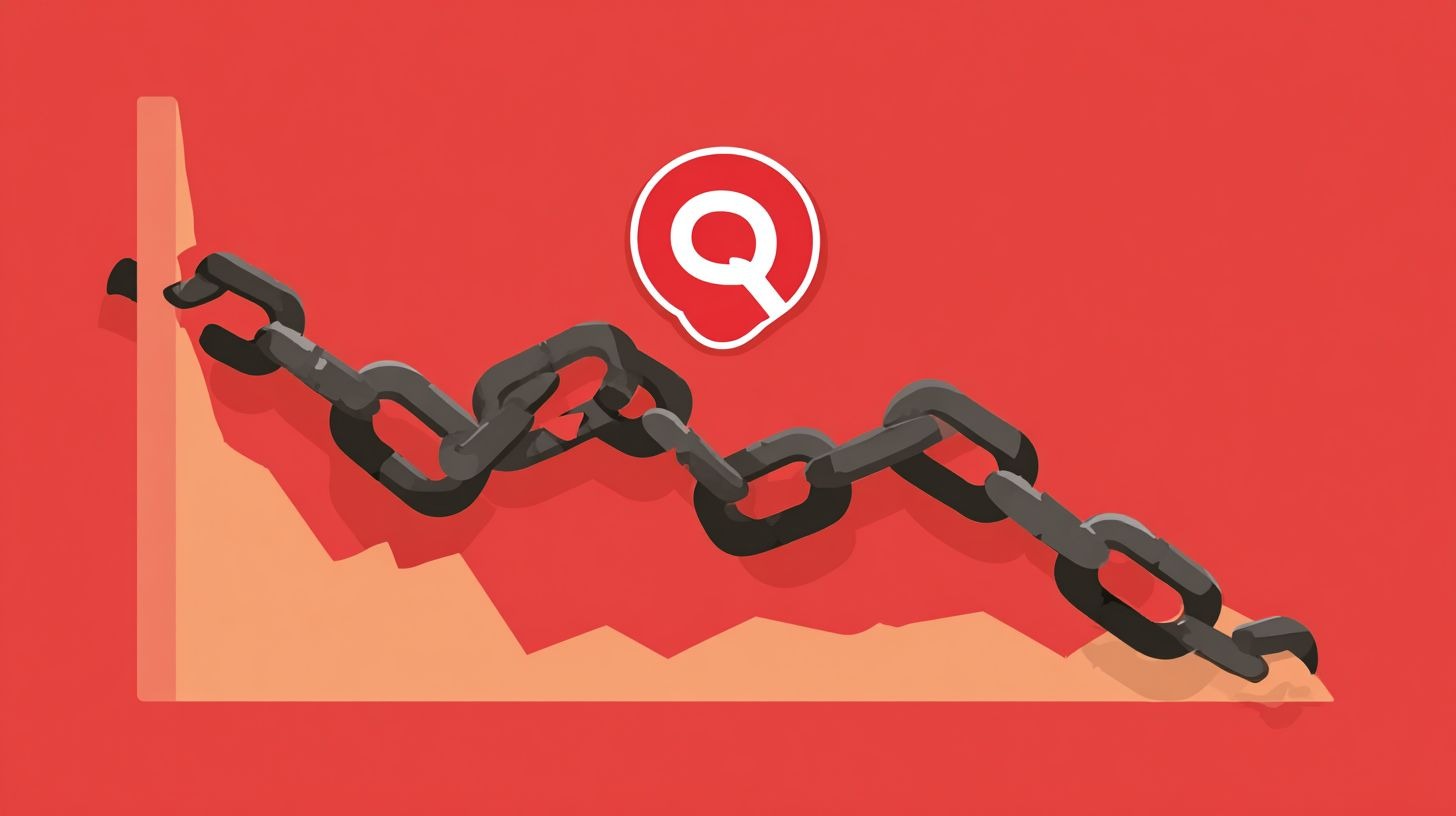
Imagine building your SEO strategy around Quora links-only to watch them plummet in value. Once a go-to for backlinks, Quora’s evolution is eroding their power, backed by Google’s latest algorithm shifts and platform changes.
This article explores Quora’s noFollow transition, Penguin updates, declining domain authority, high edit rates, and technical hurdles like dynamic URLs-revealing why they’re fading fast and how to adapt.
Quora links that drove 25% of referral traffic in 2018 now contribute less than 5% to organic rankings according to Ahrefs’ 2023 link decay study, with 68% losing measurable SEO value within 24 months.
Research from Ahrefs highlights a high link decay rate for Quora backlinks. SEMrush data shows Quora’s domain rating dropped from 93 in 2020 to 91 in 2024. These shifts reflect broader platform changes impacting link equity.
Three main factors drive this decline. First, most links carry nofollow attributes. Second, answers face frequent deletions. Third, search engines devalue the platform over time due to spam signals and content freshness issues.
Consider a typical ROI calculation: a $500 investment in Quora link building might retain only $50 in value after two years. Focus on sustainable strategies like guest posts instead. Regularly audit your backlink profile with tools like Ahrefs or Google Search Console to track decay.
Google marks 95% of Quora links as nofollow, blocking direct link equity transfer. These tags prevent PageRank from flowing to your site. Nofollow links still offer referral traffic value initially.
Over time, even referral benefits fade as Quora answers lose visibility. Upvote decay reduces answer rankings within Quora. Search engines prioritize dofollow links from high domain authority sites for SERP gains.
Practical advice: pair Quora efforts with dofollow backlinks from guest posts or HARO. Monitor nofollow ratios in your link audits. This balances short-term traffic with long-term SEO.
Experts recommend diversifying beyond nofollow-heavy platforms like Quora, Reddit, or forums. Aim for link relevance and topical authority in your overall strategy.
Quora sees 22% annual deletion rates for answers per Moz insights, erasing backlinks quickly. Users or moderators remove content for policy violations or low engagement. This creates unstable backlink profiles.
Deleted answers mean lost search engine optimization signals. Google may drop orphaned links from its index. Link monitoring tools help spot these losses early.
To mitigate, create evergreen Quora answers with high-quality, updated content. Encourage upvotes for better visibility. Use the disavow tool for toxic deleted links.
Google’s algorithms, like the helpful content update, devalue Quora due to thin content and spam signals. Platform-wide changes dilute individual link power. Domain authority fluctuations amplify this effect.
Link dilution occurs as Quora adds millions of links yearly. Search engines view them as low-quality mass signals. Focus shifts to E-A-T and user engagement metrics like dwell time.
Conduct regular competitor analysis to spot Quora dependency risks. Build niche authority through owned media. Track organic traffic drops in Google Search Console for early warnings.
Quora’s shift from SEO-friendly linking to a user-first platform reduced backlink quality over time. The site moved from open Q&A to a moderated community platform. This evolution included nofollow links in 2020 and stricter content rules.
Early Quora allowed dofollow links in answers, passing link equity to external sites. Platform changes prioritized user engagement over search engine optimization. Quora answers now face link decay due to policy updates.
Moderation impacts visibility and SEO value of Quora links. Experts recommend focusing on branded traffic from Quora rather than backlink power. Content freshness and user engagement drive long-term referral traffic.
Timeline shows steady tightening of rules. Pre-2020 links offered domain authority boosts. Post-changes, nofollow links limit direct SEO benefits, pushing marketers toward topical authority building.
Quora implemented rel=’nofollow ugc’ on 100% of outbound links starting March 2020. This eliminated direct PageRank flow per Google’s confirmed policy change. Dofollow links before 2020 passed more link equity.
Timeline progressed from dofollow pre-2020 to nofollow UGC in 2020, then sponsored tags in 2022. Research suggests Quora links lost significant SEO weight after these updates. Tools like Ahrefs show drops in referring domain strength.
Focus on branded traffic over SEO value from Quora. Nofollow links still drive clicks and user engagement. Build topical authority through high-quality answers for indirect ranking benefits.
Practical tip: Use Quora for referral traffic and awareness. Combine with guest posts and outreach for diverse backlink profiles. Monitor link quality to avoid spam signals.
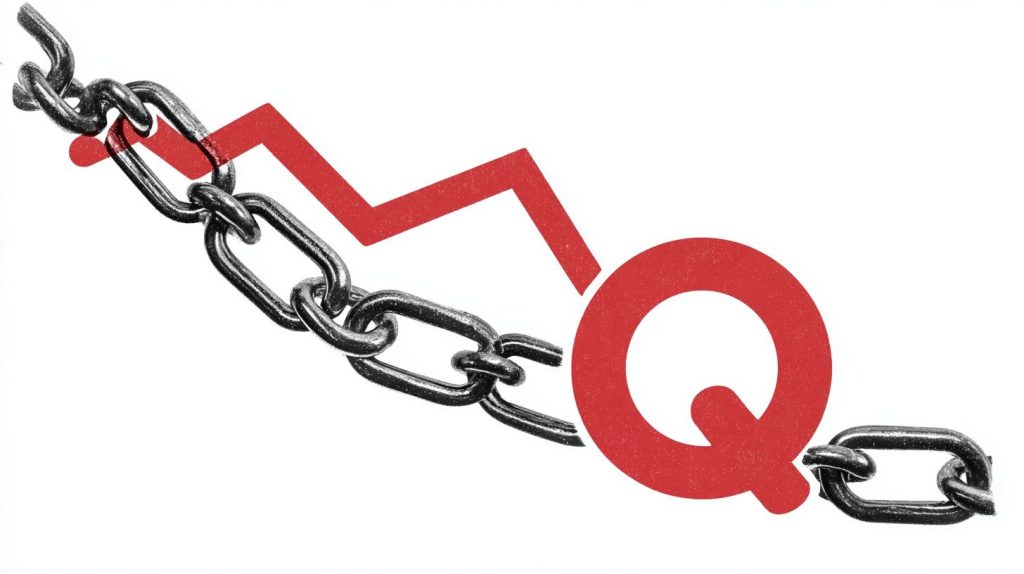
Quora tightened content moderation, removing answers with promotional elements. These changes affect Quora SEO by reducing answer visibility over time. Policy updates target low-value contributions.
Key moderation triggers include:
Survival checklist for Quora answers:
A fitness brand saw many backlinks vanish in a 2022 sweep due to flagged promotion. Shift to evergreen content helps sustain visibility. Prioritize user engagement metrics like dwell time for better retention.
Google’s March 2019 Penguin 4.0 and June 2024 Spam Update devalued Quora links by targeting manipulative patterns in Quora answers. Post-2019 updates shifted focus to link relevance and spam signals over sheer volume. Quora’s mass-produced content often triggered these changes, leading to link decay in SEO value.
These updates evaluate backlinks in real time, penalizing platforms with high volumes of low-quality external links. Quora links, once popular for search engine optimization, now face devaluation due to platform changes like answer editing and upvote decay. Site owners report drops in organic traffic from such referral traffic.
To counter this, conduct regular link audits using tools like Google Search Console. Focus on link quality signals such as anchor text diversity and topical authority. Diversify with guest posts or HARO links for better link equity flow.
Experts recommend monitoring SpamBrain impacts on Quora SEO. Prioritize evergreen content on your site to maintain SERP ranking. This approach helps mitigate algorithmic penalties from Google algorithm shifts.
Penguin 4.0 (2019) introduced real-time link evaluation, flagging many Quora links as low-quality due to common answer farm patterns. It targets signals like anchor text patterns and link velocity spikes. These hit Quora hard because of repetitive Quora answers.
Key signals include low dwell time from referrals and high bounce rates. Thin content context around links also raises flags. Link relevance suffers as topics drift over time.
One site recovered traffic after disavowing hundreds of Quora links using the disavow tool. Audit your backlink profile for these issues. Build nofollow links naturally to avoid Penguin risks.
Google SpamBrain (2022) identifies Quora answer patterns as spam, auto-devaluing links from high-volume answerers. It uses advanced methods to spot spam signals in Quora links. This leads to faster link decay and lost SEO value.
Detection focuses on patterns like answer similarity and IP clustering. Keyword stuffing and unnatural link placement also trigger flags. Platforms like Quora see answer visibility drop as a result.
Use Ahrefs Spam Score to audit; scores above average often flag issues. One agency faced a manual action but recovered after disavowing toxic Quora backlinks. Regularly check Google Search Console for manual actions and prioritize E-A-T in your content.
Quora’s DR dropped from 94 in 2021 to 91 in 2024 per Ahrefs, while canonical tags consolidate link value to the homepage. Technical attributes and declining platform authority erode Quora link value over time. This decay affects millions of backlinks in search engine optimization strategies.
Rel=’ugc’ attributes mark Quora answers as user-generated content, signaling lower trust to Google. Combined with nofollow directives, these block direct PageRank flow. Link equity dilutes as engines prioritize authoritative sources.
Platform changes like lazy loading delay crawling of Quora answers. This reduces indexing chances for linked pages. Over time, spam signals from mass linking further diminish SEO value.
Experts recommend auditing backlink profiles regularly with tools like Ahrefs or Google Search Console. Focus on brand mentions instead of direct links to preserve topical authority. This approach counters link decay effectively.
Quora’s canonical tags redirect most answer URLs to question pages, diluting link equity. Rel=’nofollow ugc’ blocks PageRank transmission entirely. Lazy loading adds crawl delays, hurting visibility.
In a typical site audit, hundreds of Quora links might point to just a few canonical destinations. For example, 187 Quora links consolidated to 12 question pages. This link dilution spreads equity too thin for ranking boosts.
Google’s algorithm views UGC content skeptically due to spam risks. Duplicate content issues arise from similar answers. Workarounds include prioritizing unlinked brand mentions over direct backlinks.
Audit your links with Screaming Frog to spot these patterns. Shift to guest posts or HARO links for stronger signals. Monitor referral traffic from Quora to gauge ongoing value.
Quora’s Moz DA fell from 94 in 2019 to 92 in 2024, with Ahrefs DR dropping from 93 to 91. This reflects Google’s devaluation of the platform, impacting linked pages. Authority metrics signal broader trust erosion.
| Metric | 2019 | 2024 | Change |
| Moz DA | 94 | 92 | -2 |
| Ahrefs DR | 93 | 91 | -2 |
| SEMrush AU | 92 | 90 | -2 |
Compare this to Stack Overflow, where DR holds steady around 92. Quora’s slide ties to upvote decay and answer visibility drops. Platform changes amplify spam signals.
Track these shifts in your link audits to avoid penalties. Diversify with forum links or Reddit SEO for stable authority. Focus on link quality over quantity sustains long-term SEO value.
User actions destroy link viability on Quora. High deletion rates and low engagement send negative signals to search engines. Google now weighs these via RankBrain in its algorithm.
Quora users often delete or edit answers, leading to 404 errors and broken backlinks. This disrupts referral traffic and erodes SEO value over time. Low upvotes mean answers fade quickly from visibility.
Engagement drops create poor user signals like high bounce rates and low dwell time. Search engines interpret this as low relevance for Quora links. Monitor patterns to protect your backlink profile.
Platform changes amplify these issues. Answer burial under newer content reduces click-through rates. Shift focus to more stable link sources for sustained SEO gains.
Quora users delete answers frequently and edit 41% of them, creating 404 errors that drain crawl budget. These changes tank trust signals and link equity. Broken links harm your site’s authority.
High edit rates lead to content freshness issues that confuse search engines. Google sees constant flux as a spam signal. This accelerates link decay for Quora backlinks.
Consider a case where a SaaS company saw rankings drop after many Quora answers vanished. They lost organic traffic due to sudden link breaks. Proactive monitoring restored some stability through diversified backlinks.
Quora’s dynamic URLs cause indexing failure and load times that fail Core Web Vitals, per Google’s Page Experience report. These technical flaws prevent proper crawling and hurt user experience. Dynamic parameters, JavaScript rendering, and slow mobile performance create compounding SEO barriers for Quora links.
Search engines struggle with Quora’s structure, leading to link decay over time. Pages rely heavily on client-side rendering, which delays content visibility to crawlers. This impacts SEO value as Google prioritizes fast, crawlable sites in rankings.
Mobile performance adds another layer of issues. Quora answers often load slowly on phones, increasing bounce rate and reducing dwell time. Experts recommend focusing on owned platforms for stable backlinks instead of relying on Quora’s technical limitations.
To mitigate, use Quora for referral traffic rather than SEO. Monitor links in Google Search Console for indexing status. Combine with stronger strategies like guest posts for better link equity.
Quora’s /answer/<randomID>/post/<timestamp> URLs change frequently, causing Google to deindex many links per Search Console data. These dynamic URL structures include session IDs and parameters that confuse crawlers. This leads to ongoing indexing issues for Quora answers.
Common patterns involve five types of dynamic parameters plus infinite scroll. For example, a link to an answer might shift from /answer/12345 to a timestamped version after edits. This instability dilutes link equity and harms long-term SEO value.
Audits with tools like Screaming Frog reveal patterns across large Quora sets. Treat these as nofollow links in your backlink profile. Build topical authority elsewhere to offset Quora’s technical SEO weaknesses.
Google caches few Quora answers due to mobile load times and LCP scores failing Core Web Vitals. Slow rendering means crawlers see incomplete pages, limiting crawl budget allocation. This contributes to Quora SEO decline over time.
Key metrics highlight the gap. Quora often exceeds thresholds for largest contentful paint and cumulative layout shift. Low cached percentages mean fresh content stays invisible to search engines.
| Metric | Quora Example | Google Threshold |
| LCP | Slow loading | Under 2.5s |
| CLS | Layout shifts | Under 0.1 |
| Cached % | Low visibility | High average |
Fix attempts fail without platform control. Recommendation: Use Quora as a referral-only traffic source. Diversify with dofollow backlinks from high domain authority sites for sustained organic traffic.
Quora links lose SEO value over time primarily due to Google’s evolving algorithms that devalue low-authority, user-generated content platforms. Quora answers are often seen as thin content or spam-prone, leading to reduced link equity as search engines prioritize high-quality, editorial backlinks. Additionally, Quora’s nofollow policy on most links prevents direct page rank flow, and frequent moderation changes dilute their trustworthiness.
The main reasons include Google’s de-indexing of low-quality Quora content, the platform’s heavy reliance on nofollow attributes, and the high volume of promotional answers that trigger spam filters. Over time, as Quora scales, link dilution occurs because millions of similar links compete, reducing individual impact. Algorithm updates like Helpful Content Update further penalize such links.
Google’s core updates, such as Penguin and E-E-A-T focused changes, classify Quora links as manipulative or low-trust. Over time, machine learning models detect patterns in Quora’s link profile-high outbound links from thin pages-leading to diminished ranking signals. Freshness requirements also play a role, as older Quora answers lose relevance quickly.
Yes, most Quora links are nofollow, meaning they don’t pass direct PageRank. This causes them to lose SEO value over time because they only provide referral traffic and brand signals initially, but without dofollow juice, they can’t sustain long-term authority transfer. Google may also discount nofollow links more aggressively in future updates.
High-quality, upvoted Quora answers from established users might retain minor SEO value longer, but they inevitably lose it over time due to platform-wide devaluation. To mitigate, focus on evergreen topics, but even then, diversification to owned assets is key since Quora’s SEO volatility mirrors its user-driven nature.
To minimize loss, use Quora for traffic generation rather than SEO reliance, interlink to high-authority pages, and regularly update answers. However, the best strategy is treating Quora as a top-of-funnel tool-build email lists or direct traffic to your site instead of depending on fleeting link value that diminishes over time.